New Trade Agreements Signed Between Herat and Iranian Business Leaders

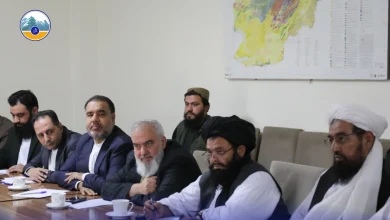
The Iran-Afghanistan Joint Chamber of Commerce has announced that a series of new memorandums of understanding signed between traders from the two countries are expected to boost agricultural exports and imports.
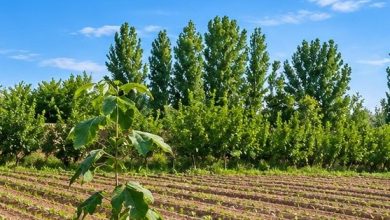
Local officials in Herat said the agreements were signed with several Iranian businessmen in various agricultural sectors, aiming to expand economic cooperation and support Afghan farmers. The agreements include joint production of crops such as beets, corn, and cotton in Herat province.
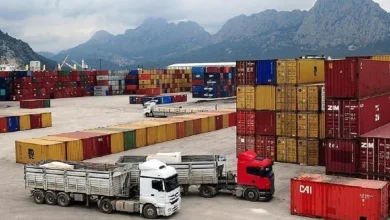
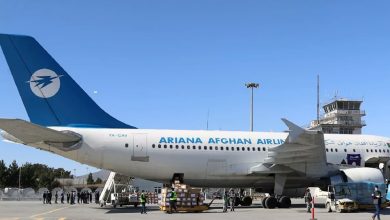
According to the terms of the agreements, a joint stock company will be established between Afghan and Iranian traders to facilitate two-way trade. This includes exporting meat and dried fruits to Iran and importing other essential goods into Afghanistan. Bashir Ahmad Bahaduri, head of Herat’s Chamber of Agricultural and Livestock Products, described the creation of the company as a significant step in building trust and enhancing economic cooperation between the two sides.
Simultaneously, Bashir Ahmad Ahmadi, director of agricultural extension in Herat’s Agriculture and Livestock Department, stated that these programs will create employment opportunities for many Afghan returnees from Iran and help improve the technical knowledge and practical skills of Afghan farmers by leveraging Iranian expertise.
Kourosh Shojaei, a member of the scientific team at the Iran-Afghanistan Joint Chamber of Commerce, noted that specialized committees are currently assessing the agricultural and trade needs of both countries. Items such as legumes, meat, and other essential goods will soon be prioritized for exchange.
While the Taliban administration continues to struggle with economic management, these agreements may provide Afghan farmers with regional cooperation opportunities to alleviate some of their livelihood challenges. However, the lack of transparency, economic order, and the Taliban’s restrictions—particularly in the foreign trade sector—pose significant obstacles to the implementation of these plans.