Taliban’s 50% Increase in Restrictions Halts 21 Humanitarian Programs in Afghanistan
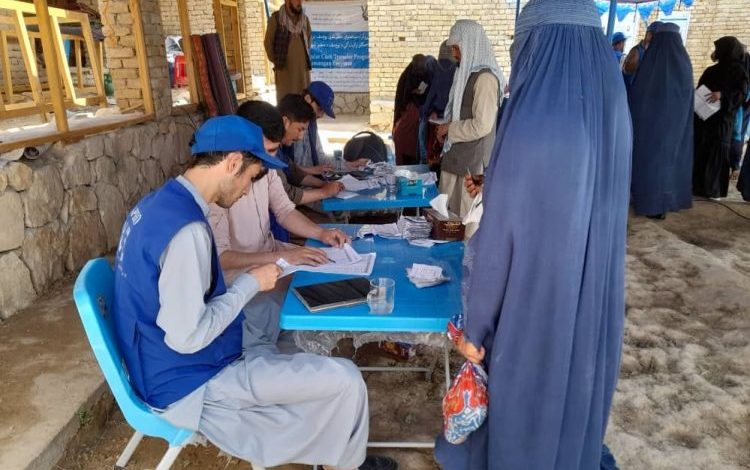
The United Nations Office for the Coordination of Humanitarian Affairs (OCHA) has reported that a 50 percent increase in restrictions imposed by the Taliban administration in June led to the temporary suspension of 21 humanitarian activities and disrupted aid delivery to vulnerable communities.
According to the OCHA report, partner organizations recorded 60 access restrictions in June, a significant increase compared to the previous month. These restrictions have delayed aid distribution and blocked access to essential services for those in need. The majority of incidents were reported in western Afghanistan, followed by southern provinces.
OCHA identified interference in the implementation of aid programs as the main obstacle for humanitarian organizations. Among 43 recorded interferences, 22 involved direct obstruction of program execution, 13 restricted participation of female staff, four prevented women from accessing aid, three interfered with recruitment, and one was related to enforcement of dress code regulations.
The report also noted that limitations on using smartphones have hampered field monitoring, reporting, and communications, reducing the operational capacity of aid organizations.
OCHA further stated that in June, 11 incidents of violence against aid workers, facilities, and assets were recorded, including 10 arrests and one threat. As a result, 14 aid workers were detained.
Nine of these incidents were attributed to the Taliban’s Ministry for the Promotion of Virtue and the Prevention of Vice. According to OCHA, several aid workers were arrested at the Islam Qala reception center for allegedly failing to comply with beard and dress regulations. The ministry’s restrictions in Herat province have also further limited women’s movements and impacted humanitarian activities.
The report also documented six incidents restricting the movement of aid organizations, with four occurring at checkpoints and two relating to limitations on female staff. In these cases, aid convoys and personnel were stopped, interrogated, and had their documents checked, causing delays in relief operations.
In total, 30 gender-related restrictions were registered during this period, including limitations on female staff, detention of aid workers, denial of women’s access to aid, interference in recruitment, and restrictions imposed at checkpoints. Herat recorded the highest number of access restrictions with 18 incidents, followed by Kandahar with 13 and Kabul with nine. Herat also reported the highest number of women-related restrictions with 11 cases.
OCHA warned that this situation persists amid decreasing financial resources for humanitarian organizations. According to the report, the 2025 humanitarian response plan aims to assist 1.72 million people each month, but during the reporting period, only about 127,000 individuals received aid—highlighting the growing gap between humanitarian needs and assistance delivery in Afghanistan.