UNESCO Says More Than Half of Afghanistan’s Children Lack Access to Primary Education
The United Nations Educational, Scientific and Cultural Organization (UNESCO) and the UN Children’s Fund (UNICEF) have reported that more than half of Afghan children are out of formal education at the primary level. In a report released on Oct. 30, the two agencies stressed that since 2021 more than 2.6 million girls have been denied access to secondary education, with about 397,000 more girls added to that number each year.
According to the report’s findings, 93% of children cannot read and understand simple texts after completing primary school. More than 1,000 schools also remain closed because of war and destruction, making access to education even more difficult.
The lack of trained teachers, especially female teachers, the shortage of adequate educational materials, restrictions on girls’ education, and declining investment are among the key factors behind Afghanistan’s education crisis.
In addition, the report says nearly 30% of children aged 5 to 17 are working, while 28% of young women were married before the age of 18. It also found that 42% of adolescents and young people are neither in education nor employed and are not participating in technical and vocational training programmes, most of them girls and young women.
UNESCO and UNICEF have warned that Afghanistan’s education system will face a funding shortfall of about $324 million in the coming years and have stressed the need for sustained investment to improve quality and expand access to education.
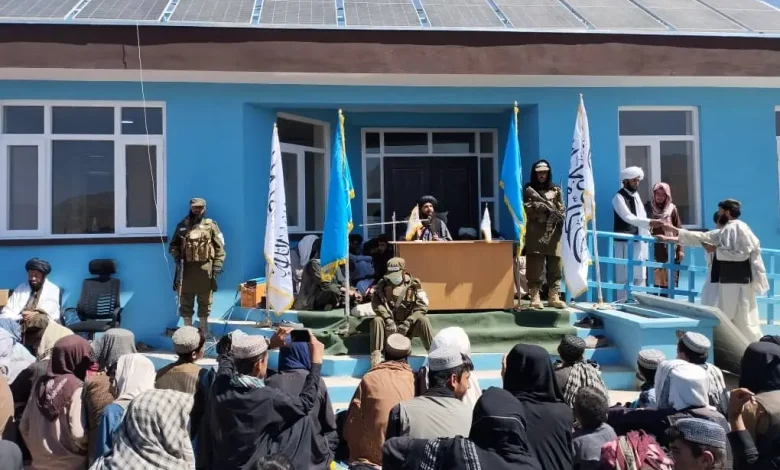
The report comes as the Taliban administration has imposed broad restrictions on girls’ education and investment in the education sector is on a downward trend, a situation that has clearly deepened the country’s severe education crisis.