Former Pakistani Diplomat Warns Against Growing Taliban Ties with India
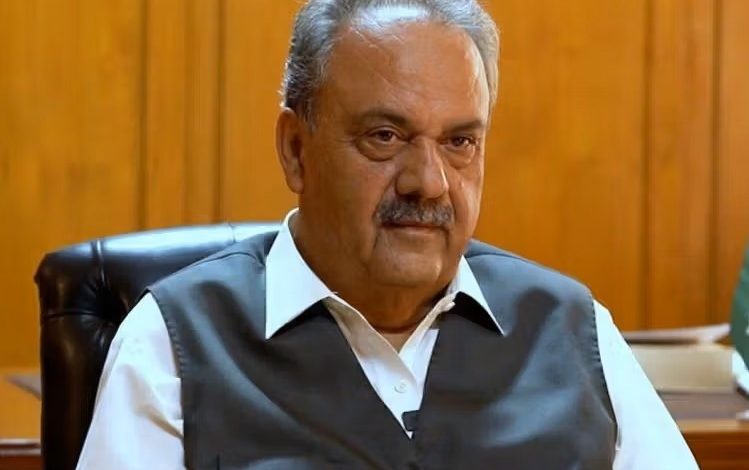
Asif Durrani, former Pakistani representative for Afghan affairs, has warned that the deepening ties between the Taliban administration and India, in a context where Afghan territory is reportedly used by groups hostile to Pakistan, could cross Islamabad’s “red line.” He stressed that while Pakistan has no objection to normalized relations between Kabul and New Delhi, any hostile strategic alliance is viewed differently from routine diplomatic relations.
On Sunday, July 12, Durrani said Islamabad might tolerate some ideological traits of the Taliban, their governance style, and even occasional diplomatic tensions, but participation in a coalition threatening Pakistan’s security interests is unacceptable. According to him, “diverse diplomatic relations are one thing, and hostile strategic alliances are a completely different matter.”
The Pakistani diplomat added that the Taliban administration must choose between pursuing balanced regional relations and addressing “Pakistan’s legitimate security concerns” on one hand, and turning Afghanistan into a battleground for India-Pakistan competition on the other. He emphasized that Pakistan can coexist with an independent Afghanistan but will not remain indifferent to the use of Afghan soil for strategically encircling Islamabad.
Durrani’s remarks come amid increasing contact and travel of Taliban officials to India in recent months coinciding with deteriorating Kabul-Islamabad relations. At least four Taliban ministers have visited New Delhi in recent months seeking expanded technical and economic cooperation.
For example, the Taliban’s agriculture minister, on a recent visit to India, declared, “Our good and old friend is by our side,” emphasizing the development of bilateral cooperation. Prior to him, the ministers of foreign affairs, public health, and commerce and industry had also visited India.
These developments occur as Pakistani officials have repeatedly labeled perpetrators of deadly attacks in Pakistan as “proxy groups supported by India.” Meanwhile, critics argue that the Taliban administration has yet to provide satisfactory responses to regional concerns about armed groups using Afghan territory, an issue that could affect Afghanistan’s position in regional relations.