Taliban Administration Cuts Income and Oil Taxes to Ease Burden
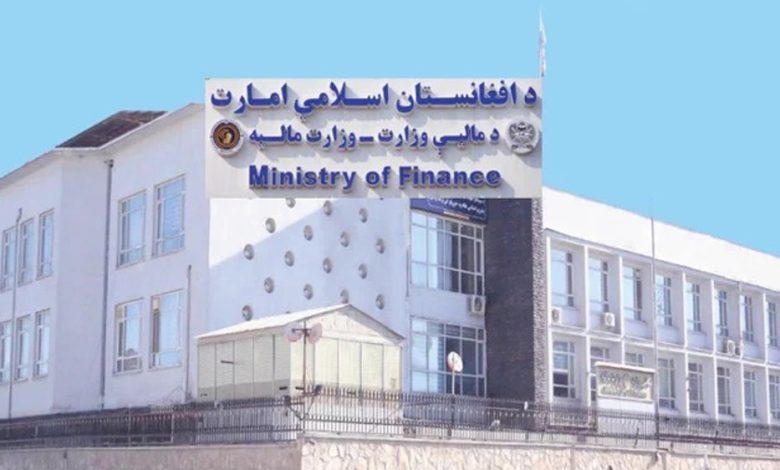
The Taliban’s Ministry of Finance has announced a reduction in taxes on individual and institutional income, capital transfers, and the sale of oil and gas, based on the ministry’s proposal and the oral decree of Taliban leader Hibatullah Akhundzada. This decision was announced during a press conference in Kabul on Sunday, July 12.
According to the details provided, the tax on institutional income has been reduced from 20% to 10%, and the fixed tax on capital transfers has dropped from 1% to 0.5%. Additionally, the monthly tax exemption ceiling for individual income has increased from 5,000 afghanis to 10,000 afghanis, and the annual income exemption threshold has doubled from 60,000 afghanis to 120,000 afghanis. The two percent “norm” tax has also been removed.
Under the new scheme, annual incomes ranging from 120,000 to 1,200,000 afghanis are subject to a 10% tax. Incomes exceeding 1,200,000 afghanis will pay a fixed annual tax of 108,000 afghanis plus an additional 15% tax.
The Taliban’s Ministry of Finance has also lowered taxes on the sale of oil and gas by domestic traders. According to the ministry, major sellers who hold oil and gas reserves are required to pay a tax of 50 afghanis per ton.
For oil and gas commission agents without offices or reserves, a four-tier tax system has been established. Based on this classification, first-degree agents pay an annual fixed tax of 100,000 afghanis, second-degree 70,000 afghanis, third-degree 50,000 afghanis, and fourth-degree 24,000 afghanis.
Furthermore, individuals who purchase oil and gas in bulk and sell it retail are obligated to pay a tax of 80 afghanis per ton. Mullah Mohammad Nasser, the Taliban’s finance minister, stated that these exemptions and reductions are intended to facilitate timely tax payments by the public.
Since regaining power, the Taliban administration has primarily funded its budget through tax collection and mineral extraction. However, many citizens have repeatedly criticized the lack of sufficient public services in sectors such as infrastructure, health, and employment relative to the taxes collected in recent years, and concerns have been raised regarding transparency in revenue expenditures.