Uncertainty Looms as Iran-US Ceasefire Nears End Amid Rising Tensions
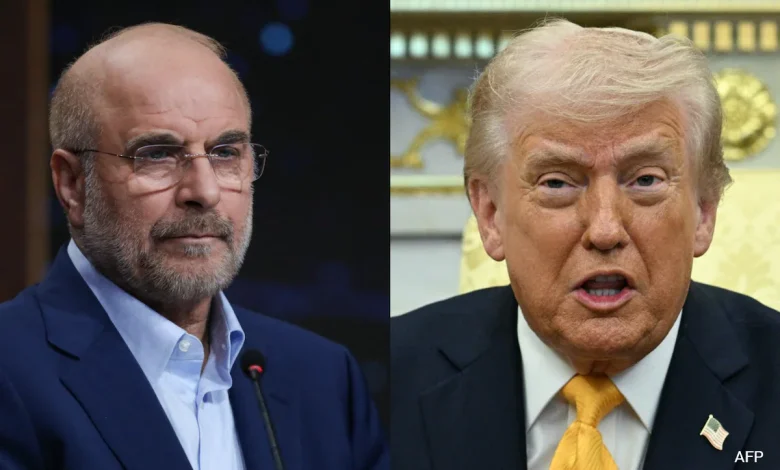
The announced ceasefire between Iran and the United States is set to expire in three days, and it remains unclear whether the US will resume its attacks on Iran or adopt a ‘neither war nor peace’ stance after this period.
This uncertainty arises from the fact that while the US is increasing its military capabilities and forces in the region, it is evident that it cannot defeat Iran through war. Therefore, it might seek to reduce Iran’s resilience through a ‘neither peace nor war’ approach by imposing a naval blockade and economic pressure.
Over the past fifty days, Donald Trump has made numerous false claims, clearly showing no genuine intention to resolve issues with Iran through dialogue.
Had Trump not falsely presented his dreams and wishes as definitive agreements with Iran when Abbas Araghchi announced the reopening of the Strait of Hormuz under the ceasefire agreements, the Strait would not have been completely closed, preserving the possibility of ongoing negotiations and the search for a solution.
Iran’s main strategies against the US involve three components: missiles and drones forming one pillar; the Strait of Hormuz and pressure on global trade as a critical second pillar; and relying on social cohesion and popular presence in the streets as the third pillar, all of which have collectively exerted pressure on the US.
The firm confrontation with the US during the war has been a public demand from the Iranian people, significantly increasing social resilience in Iran.
So far, Iranian missiles and the country’s firm control over traffic through the Strait of Hormuz, supported by public opinion, have positioned Iran as the likely winner of this conflict. It appears that the US, instead of military attacks, plans to use the blockade leverage to psychologically wear down the Iranian people.
Trump’s second blockade of the Strait of Hormuz, a naval siege aimed at restricting Iran’s trade and revenue, may negatively impact Iran’s maritime commerce and income but will continue to exert broad pressure on futures energy markets in London and New York.
Iran seems to be prepared for a naval blockade scenario and has previously considered necessary countermeasures.
Closing the Bab el-Mandeb Strait is one of Iran’s tools that could increase financial pressure on global markets in its favor.
Conditions still favor Iran: it has won the military battlefield, continues to keep the Strait closed, and manages the economic battlefield to its advantage; however, sustaining all this requires preventing social erosion among the public.
The establishment of a ‘neither peace nor war’ situation, although it pressures the US economy more than Iran’s, might shake the internal social cohesion within Iran before the US’s resilience runs out.
The best-case scenario for Iran, should negotiations cease definitively, is the continuation of the conflict alongside the ongoing closure of the Strait of Hormuz.
Seyed Ahmad Mousavi, Correspondent