New Master Plan for Herat Submitted to Prime Minister’s Office for Final Approval
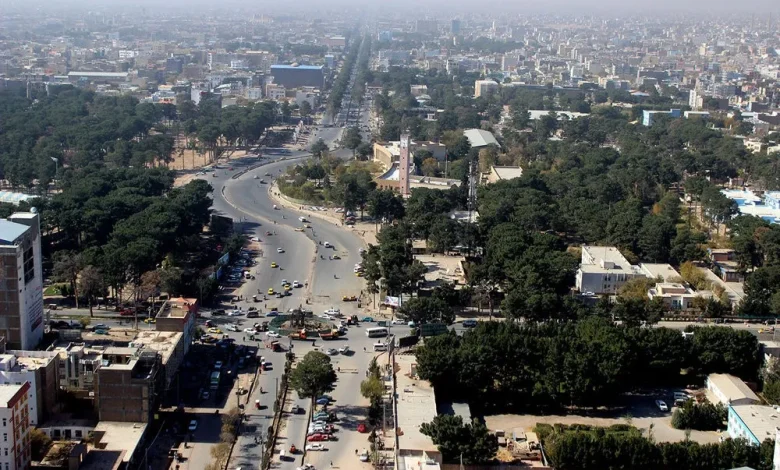
The Ministry of Urban Development and Housing has announced that the new master plan for the city of Herat, following the completion of technical studies, field assessments, and legal procedures, has been sent to the Prime Minister’s Office for final approval. If approved, this document will establish the official framework for Herat’s urban development in the coming years.
According to the ministry, the plan was prepared by experts from the National Comprehensive Plans Directorate and Urban Studies, in coordination with the Herat provincial governor’s office, the Ministry of Urban Development and Housing, and the Herat municipality. The preparation process included technical reviews and field studies.
The Ministry added that after completing the technical and legal stages, the master plan was approved by Mawlawi Najibullah Hayat Haqqani, the Minister of Urban Development and Housing in the Taliban administration, and then forwarded to the Prime Minister’s Office for the final step.
This master plan considers the current and future needs of Herat across residential, commercial, industrial, administrative, educational, health, transportation, recreational, agricultural, green spaces, as well as historical and cultural areas. As one of the country’s large and historic cities, Herat has recently faced population growth and urban area expansion, with the absence of a comprehensive urban map being one of its major challenges.
The Ministry of Urban Development and Housing expressed hope that implementing this plan will create conditions for economic growth, urban infrastructure development, attracting investment, and generating employment opportunities in Herat. However, several urban affairs experts have consistently emphasized that the success of such programs depends on transparency in implementation, securing funding, and effective project oversight.
Based on the provided information, once the master plan for Herat city receives final approval, it will become the official urban development document for the province and serve as the foundation for implementing infrastructure and development projects in the years ahead.