Trump Reverses Course on Iran Deal Following Tensions in Strait of Hormuz
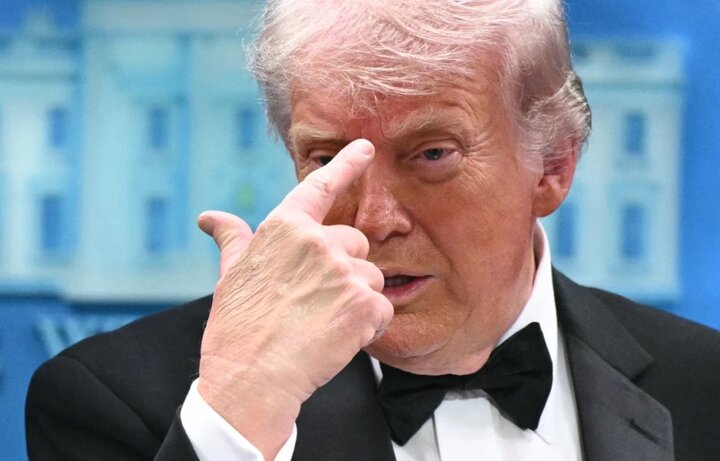
Al-Quds Al-Arabi reported that U.S. President Donald Trump retracted his position within 48 hours after announcing an operation called ‘Project Freedom’ in the Strait of Hormuz, ultimately declaring the suspension of the plan. According to the newspaper, the political and field developments cast serious doubts on the U.S.’s claims of a quick victory.
The report states that Trump initially claimed the passage of two U.S.-flagged commercial ships through the Strait of Hormuz, with American sources later raising that number to three ships. However, Iranian sources denied any ships passed under U.S. protection and warned that they would respond if regulations were violated. Al-Quds Al-Arabi noted that published footage supported Iran’s narrative, which facilitated Washington’s withdrawal.
The newspaper also reported that some European and Asian countries refused to join a military action in the Strait of Hormuz. Subsequently, Trump spoke about reaching an agreement in negotiations with Iran; according to U.S. sources including Axios and various international news agencies citing Pakistani mediators, the deal leaned more toward Iran’s desired framework.
The report added that the agreement was not limited to the Strait of Hormuz but also included a cessation of hostilities. Iran had previously declared readiness to reopen the Strait under new conditions but did not accept permanently halting nuclear enrichment, dismantling facilities, or handing over enriched uranium reserves.
Al-Quds Al-Arabi further highlighted Tehran’s combined approach of patience and resistance, referencing the forty-day war and post-ceasefire negotiations. It claimed that contrary to initial White House assertions, there were no significant achievements for the U.S. and Israel and that the official Washington narrative faced scrutiny.
Meanwhile, CNN published a visual report assessing the war costs, estimating the minimum expense of the conflict at around $50 billion—figures differing from those announced by Trump and his defense secretary.
Al-Quds Al-Arabi also reported that recent changes in Iran’s leadership structure following the assassination of Ayatollah Seyyed Ali Khamenei have led to greater cohesion in decision-making. Ayatollah Seyyed Mojtaba Khamenei, as the new leader, is managing the war and negotiation processes. The newspaper described this development as a sign of increased coordination at the highest levels of Iranian governance.