UN rolls out poppy alternative crop programme in Herat and Nangarhar
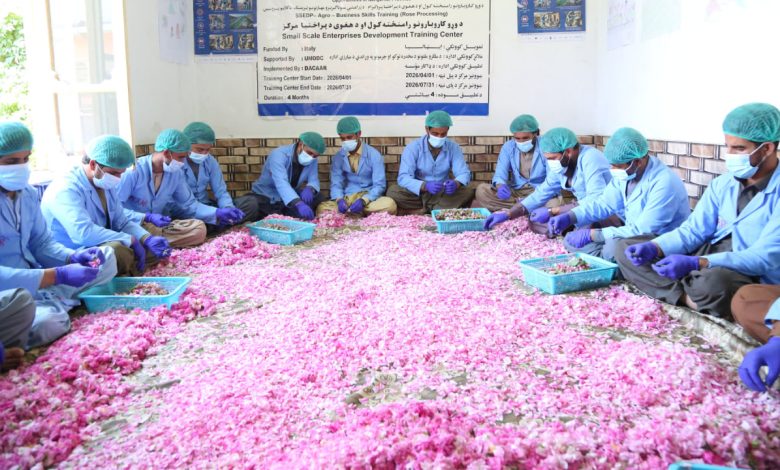
The United Nations Office on Drugs and Crime has said it is advancing a programme to promote saffron and damask rose cultivation in Afghanistan’s Herat and Nangarhar provinces as an alternative to poppy farming.
The agency said in a message posted on X on Monday, 23 September, that the programme is being implemented with financial support from the Italian government. According to the agency, the programme focuses on promoting the cultivation and processing of saffron and damask rose among farmers in the two provinces.
The UN Office on Drugs and Crime added that, alongside the programme, farmers are also being offered training in agriculture and livestock. Skills including wool spinning, silk weaving and vegetable processing are among those taught under the programme.
The United Nations had previously said that the Taliban administration’s decree banning the cultivation, production and trade of narcotics had reduced poppy cultivation in Afghanistan by 95%. However, the agency stressed that the lack of alternative livelihoods for farmers and the profitability of narcotics for traffickers still prevent the crop from being fully eradicated.
The cultivation and trade of narcotics, including poppy, were also banned during the republican government, but the activity continued in parts of Afghanistan, especially areas outside the former government’s control. Herat and Nangarhar are among the provinces that have in past years also figured in discussions on narcotics cultivation and smuggling.