UN: Millions in Afghanistan Lack Access to Safe Water
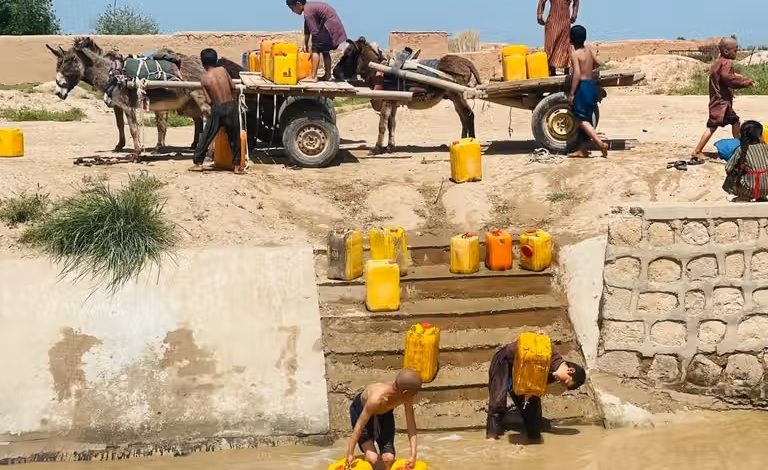
The United Nations Human Settlements Programme has said that despite water being vital, millions of people in Afghanistan still do not have access to safe and reliable drinking water. The agency stressed that efforts to ensure universal access to drinking water across Afghanistan must be increased.
In a post on X on Sunday, 22 September, the agency said that protecting water resources, improving sanitation and creating healthier communities in Afghanistan urgently require careful urban planning, proper water management and waste management.
According to previous reports by UN relief agencies, falling rainfall, a sharp drop in groundwater levels and the lack of proper urban infrastructure have left millions of families in Afghanistan’s cities and villages facing a severe water shortage.
At the same time, poor waste and urban wastewater management has also contributed to the contamination of limited groundwater resources, especially in major cities such as Kabul. International agencies had previously warned that the use of contaminated water has significantly increased the spread of infectious diseases, including cholera, as well as digestive problems among children and families in need.
In recent years, Afghanistan has faced one of the most severe drought and climate change crises in decades, a crisis that has made access to safe water in many urban and rural areas one of the major challenges of daily life for the country’s residents.