WHO Warns of Humanitarian Crisis Following Devastating Floods in Eastern Afghanistan
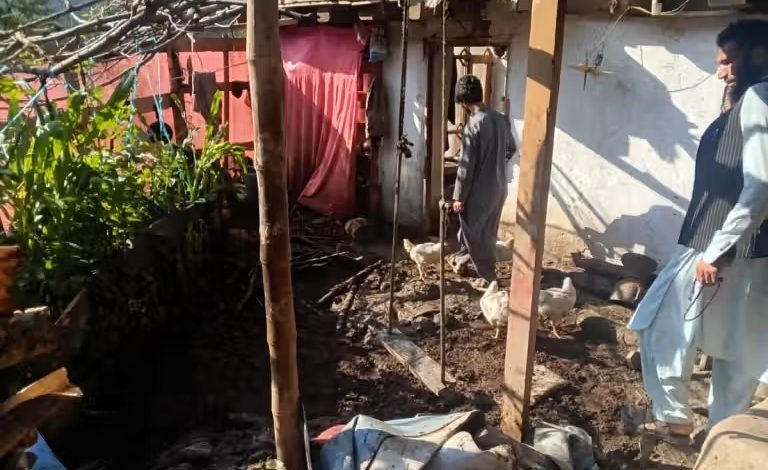
The World Health Organization (WHO) has announced that sudden floods between July 20 and August 25 have caused not only fatalities but also extensive damage to homes, infrastructure, and people’s livelihoods, increasing the urgent need for humanitarian aid.
According to the organization, the most severe damage has been recorded in the eastern region, particularly in the city of Parun, the capital of Nuristan province, where at least 23 people have died, five are missing, and 125 others have been injured. The destruction of homes, public facilities, and income sources in this city has led residents to face a serious crisis.
The floods have also affected the provinces of Nuristan, Nangarhar, Laghman, Paktika, Paktia, Khost, Ghazni, Kabul, Kapisa, Panjshir, Parwan, Logar, and Maidan Wardak. In Kabul and neighboring provinces, hundreds of families have been affected, with significant damage to residential homes and community assets.
Based on United Nations assessments, in Paktika province at least 26 houses were destroyed and two people lost their lives, while in Paktia province two children died as a result of these events. Additionally, in Khost and Ghazni, extensive damage to agricultural lands, roads, and water supply systems has been reported.
The World Health Organization has warned that the destruction of roads and infrastructure has disrupted access to essential services, especially healthcare, and the disruption of drinking water networks has increased the risk of waterborne diseases. The agency emphasized that the consequences of the floods could be long-term and pose a serious threat to food security and the livelihoods of families dependent on agriculture.
The organization has declared that it has activated its emergency coordination system and, in collaboration with relief agencies, has begun rapid needs assessment and the distribution of emergency supplies. However, the shortage of medical facilities, destruction of treatment centers, lack of medicine, and difficulties in accessing mountainous areas, especially in Parun, have posed significant challenges to the aid efforts.
The World Health Organization stressed the urgent need to strengthen health services, provide safe drinking water, establish temporary shelters for displaced persons, and increase disease surveillance. It also warned that if rainfall continues, the humanitarian situation could worsen.