Water Crisis Deepens in Kabul as Millions Face Drinking Water Shortages
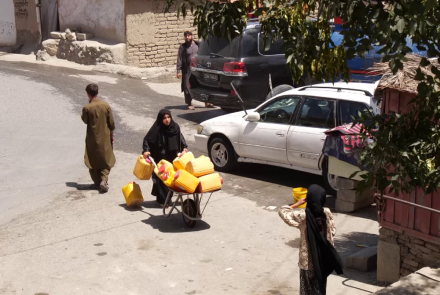
The water shortage crisis in Kabul has reached an alarming stage, with millions of the city’s residents facing severe difficulties in accessing drinking water. This situation, compounded by economic pressures, has heightened concerns about the future of the capital’s water resources.
Kabul relies heavily on underground water sources to meet its needs; however, in recent years, groundwater levels have significantly declined, hundreds of wells have dried up, and a substantial portion of the available resources is contaminated.
In some areas of the city, families wait for hours for water tankers to arrive, while others are forced to buy water at high costs. The rising price of water, particularly for low-income families, has transformed the issue from an environmental challenge into a livelihood crisis.
Meanwhile, the Kabul Water Supply Company has announced the implementation of short-, medium-, and long-term plans for water resource management. Shafiullah Zahedi, head of Kabul’s Water Supply and Sewerage Zone, stated, “Our long-term project includes the Panjshir project, Shah Band and Aroos, and Shah Tut Band. Currently, survey and design work is underway in Panjshir; the budget has been allocated, and six organizations are carrying out the initial tasks.”
As the most populous city in the country, Kabul has experienced rapid population growth and uncontrolled digging of deep wells in recent years—a process experts identify as a major cause of groundwater depletion. If this situation continues, the water crisis will escalate into a threat to public health, the urban economy, and human security in the capital.