Human Rights Watch Warns of Hunger Crisis Threatening Millions in Afghanistan
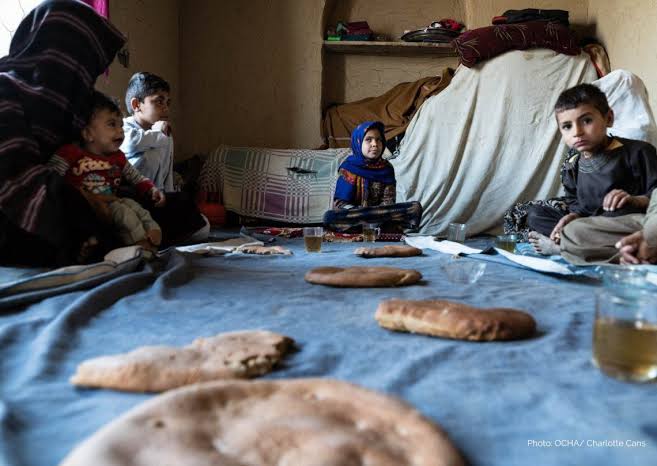
Fereshta Abbasi, a researcher on Afghanistan at Human Rights Watch, has warned that the economic crisis and a reduction in humanitarian aid have put millions of Afghan citizens at risk of hunger. According to her, many families have lost the ability to afford sufficient food, with more than 17 million people expected to face severe food insecurity this year. The report also indicates that approximately 22 million people require urgent food assistance and health services.
Abbasi identified the decline in foreign aid from the United States, the United Kingdom, and other donor countries as a primary factor worsening the situation. As she explained, due to budget shortages, aid organizations have been forced to cut back their programs and restrict assistance to only the most severely needy individuals, thereby shrinking the reach of critical services.
Meanwhile, the return of millions of Afghan migrants from Iran and Pakistan has added further pressure on host communities. These areas were already struggling with drought and limited job opportunities, and the increasing number of people in need has further weakened their capacity to respond.
The Human Rights Watch researcher also highlighted the Taliban administration’s restrictions on female staff working in aid organizations as a serious obstacle to aid delivery. According to her, these limitations have reduced access to humanitarian aid for some families, especially women and children, and disrupted the distribution of services.
Aid organizations have warned that without immediate funding, millions may lose access to vital assistance. Abbasi called on donor countries to strengthen financial support for humanitarian operations and emphasized that the return of migrants should be voluntary, safe, and accompanied by necessary support.