Taliban’s Vice and Virtue Minister Declares Law on Commanding Good as Divine Decree in Herat
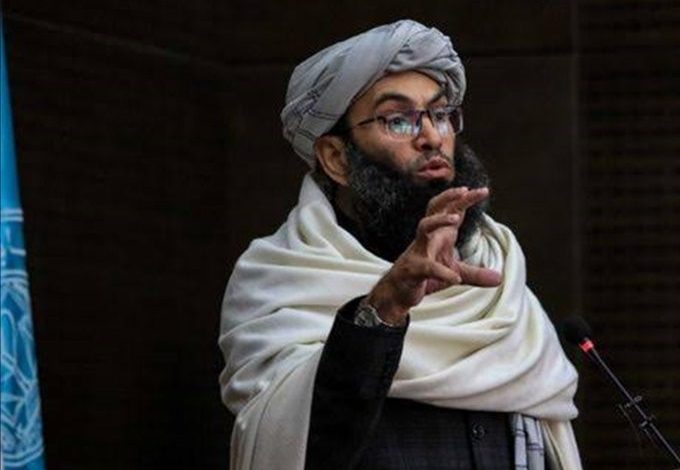
Mohammad Khalid Hanafi, the Taliban’s Minister for the Promotion of Virtue and the Prevention of Vice, emphasized in a meeting with religious scholars, tribal elders, and western zone media officials in Herat that the full implementation of Sharia law and strengthening the “Islamic system” are top priorities of the ministry. He stated that the law on commanding good is not the jurisdiction of a single ministry but a “divine decree from Allah and the Prophet,” and its enforcement is a shared responsibility of all Muslims.
Hanafi elaborated that the Islamic system gains meaning only when Sharia is fully applied, the oppressed are defended, and justice is established in society. He called on religious scholars to use their pulpits to invite people toward “reform and change,” adding that societal reform happens when the “voice of truth” is heard from the pulpit.
The minister also claimed that individuals who, according to him, had committed “oppression against women and the innocent” with foreign support in the past are now speaking about women’s rights. He stressed that, according to the Taliban administration, a system based on Sharia is the best protector of women’s rights and dignity within the framework of Islamic law—a claim that has faced widespread criticism from human rights organizations in recent years due to restrictions on Afghan women’s education, employment, and social presence.
Hanafi stated that every article of the ministry’s law is based on Sharia and aims to “protect the rights of compatriots.” He accused international critics of the ministry’s work of having issues with “religious rulings.”
During the meeting, he urged media officials first to apply this law to themselves and their colleagues and then to communicate it to the public through their platforms. He said media today hold the role of pulpits and must fulfill this responsibility—remarks made amid growing restrictions on media activities in the country.
Hanafi also dismissed reports claiming that women had been imprisoned by the ministry’s enforcers in Herat as “rumors,” asserting that intelligence groups are spreading such allegations to confuse public opinion. He asked attendees if they had personally witnessed such cases and emphasized that these claims have “no factual basis.”
These recent comments by the Minister for the Promotion of Virtue and Prevention of Vice come as the ministry’s policies and operations have consistently been a major focus of domestic and international criticism since the Taliban’s return to power, directly affecting the social status and fundamental rights of citizens, especially women.