UNICEF Provides Clean Drinking Water to 10,000 Residents in Nuristan Province
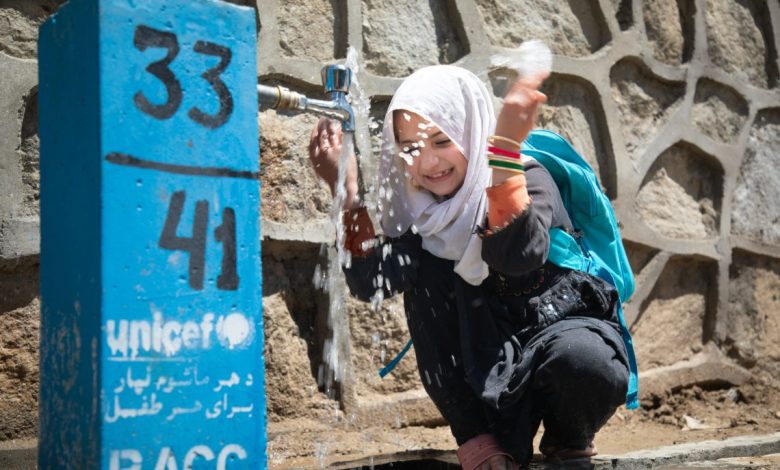
The United Nations Children’s Fund (UNICEF) has announced that it has supplied clean drinking water to nearly 10,000 people in Nuristan province; an initiative that the agency says plays a crucial role in preventing waterborne diseases, especially among children.
On Sunday, July 5, UNICEF stated on its X (formerly Twitter) page that access to safe water can protect children against digestive and other illnesses related to unsafe water. The agency emphasized that the project was implemented with the support of the European Union’s Humanitarian Aid Office for Asia and the Pacific.
Nuristan province is one of Afghanistan’s mountainous and relatively remote areas, where many residents face a shortage of basic services. Providing clean water in such regions has always been challenging due to geographical difficulties and lack of infrastructure.
In recent years, ongoing wars, consecutive droughts, and widespread poverty have caused a large portion of the Afghan population to lack access to safe drinking water. Despite the Taliban administration’s rule, the shortage of essential services remains persistent in many provinces, with international organizations supplying a significant portion of people’s basic needs.
Public health experts have repeatedly warned that the absence of clean water in remote areas increases the risk of preventable diseases, a matter that particularly threatens children’s health.