Internal Likud Conflicts Reach Climax; Netanyahu’s Leadership Future Uncertain
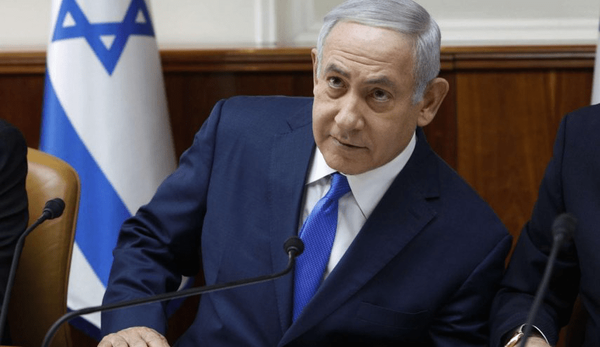
On the eve of the Likud party’s ‘Constitutional Committee’ meeting on June 28, 2026, disputes over the party’s primary election process have reached a peak, casting uncertainty over Benjamin Netanyahu’s leadership future. The central point of tension is Netanyahu’s proposal to reserve 10 appointed seats for himself on the party’s national list—a plan opposed by some senior Likud figures.
According to this proposal, Netanyahu seeks to remove restrictions on selecting his ten preferred candidates to shape the electoral list as he wishes. In contrast, an alternative plan emphasizes stabilizing six electoral districts with guaranteed seats to ensure representation across different regions. This plan also suggests using digital voting via mobile phones to balance the roles of the ‘party center’ and the entrance of new faces.
Reports indicate that if no agreement is reached by Sunday, both proposals might be secretly put to a vote—a scenario that has raised concerns among Netanyahu’s close allies due to the risk of his defeat in an uncontrollable vote. Some Likud officials have expressed hope for reaching a consensual formula within the Constitutional Committee to prevent widening divisions.
Behind the scenes, there are rumors of possible dramatic actions if Netanyahu’s proposal fails. Although he has not issued direct threats, sources close to his circle mention the potential for him and the majority of his supporting faction to split from the party—a move that could reshape Israel’s political dynamics.
Meanwhile, speculation about Netanyahu’s political future has intensified. The Emirati media outlet, Al Arabiya News, citing sources close to the Israeli prime minister’s office, reported that closed-door talks are underway within Likud to determine his possible successor.
Hebrew-language media have attributed the escalation of these discussions to Netanyahu’s declining popularity in polls, his health condition, and ongoing corruption-related legal cases. According to some polls, if elections were held today, opposition parties could form a government even without relying on Arab parties.
The Hebrew website Walla wrote that a question once considered taboo among Netanyahu’s supporters a year ago—‘Who will succeed him?’—has now become a subject of discussion in Likud’s private meetings. Should internal negotiations fail, this structural division could lead to a major confrontation between Netanyahu and Likud’s decision-making bodies.