Afghanistan’s Opium Cultivation Drops 95%, Rising Synthetic Drug Use Raises Concerns
The United Nations Office on Drugs and Crime (UNODC) has reported that following the Taliban’s 2022 ban on drug cultivation and production, opium poppy farming in Afghanistan has decreased by 95% over the past three years—a figure the agency describes as a “historic record.” However, the simultaneous rise in the production and consumption of synthetic drugs has emerged as a serious domestic and global concern.
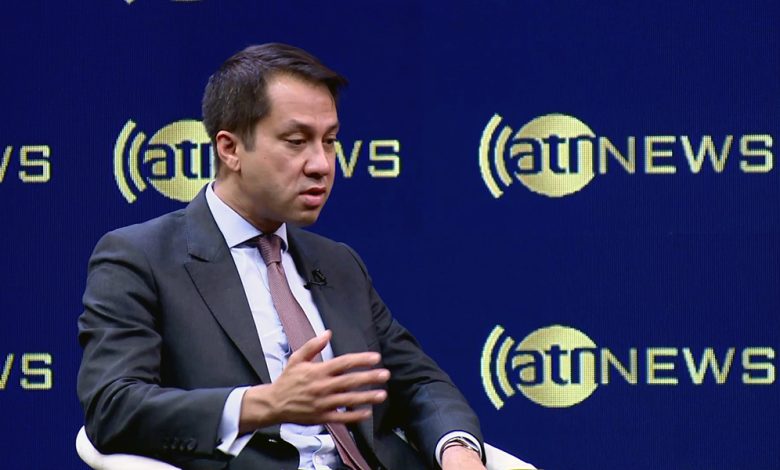
Ok Seiri, UNODC’s representative in Afghanistan, told Ariana News that this 95% reduction has been sustained throughout 2023, 2024, and 2025. He emphasized that this unprecedented maintenance of decline, unlike previous efforts which lasted only one year, is significant not only for Afghanistan but also for the world, as a large portion of the global drug supply previously originated from Afghanistan.
In response to these changes, UNODC has revised its programs to place greater emphasis on promoting alternative livelihoods for farmers. Seiri stated that while these initiatives have yielded some results, they do not fully meet all needs amid humanitarian crises, economic difficulties, and natural disasters.
Experts believe that without sustainable economic alternatives for rural farmers, the risk of returning to illegal crop cultivation remains—a responsibility shared by both the Taliban administration and international supporters of livelihood programs.
The UNODC official also warned that the shift from traditional drugs like opium to synthetic substances has challenged healthcare infrastructures. According to him, synthetic drugs require different treatment approaches, and health systems must adapt accordingly.
The agency stresses that drug trafficking is transnational in nature and cannot be effectively controlled without close cooperation among police, judiciary bodies, and governments within the region and globally. Seiri noted that trafficking networks operate both inside and outside Afghanistan, and effective countermeasures necessitate broad international coordination.
The UNODC’s 2026 World Drug Report further highlights that global drug markets are rapidly evolving, with new technologies, emerging drug types, and global instabilities creating fresh opportunities for traffickers. The report warns that the rising production of synthetic opioids such as fentanyl could have more dangerous consequences than traditional drugs.
UNODC calls on neighboring countries and the international community to increase investment and cooperation in creating long-term livelihood solutions for farmers, treating addiction, and combating trafficking networks.
Meanwhile, Taliban officials claim they have reduced cultivation, production, and trafficking of narcotics in Afghanistan to nearly zero—a claim whose sustainability and practical impacts will be decisive in the coming years.