UN Warns Life Becoming ‘Impossible’ in Parts of Afghanistan Amid Deepening Crisis
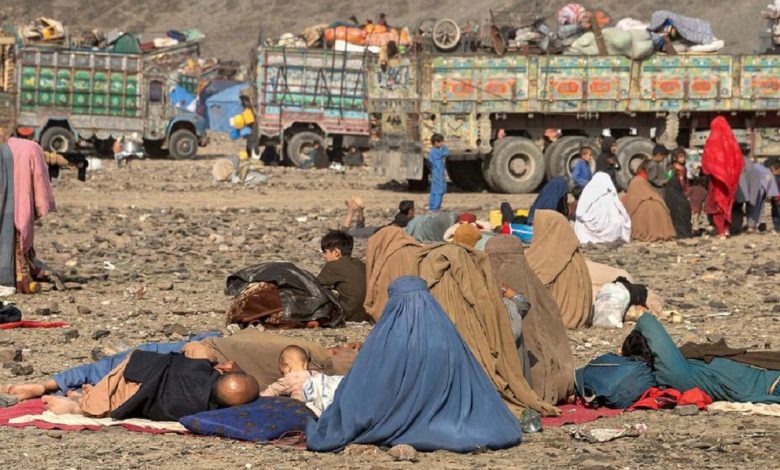
The United Nations has warned that with the worsening humanitarian crisis in Afghanistan, life in some remote areas is becoming increasingly difficult and, in certain regions, even “impossible.” According to the UN Office for the Coordination of Humanitarian Affairs (OCHA), persistent drought, food insecurity, and a severe shortage of humanitarian aid funding have put millions of the country’s residents in a critical situation.
OCHA stated that nearly 22 million people in Afghanistan urgently need assistance; however, of the $1.7 billion required for 2026, only 14 percent has been secured so far. This financial gap has seriously challenged efforts to address the needs of vulnerable populations and has expanded the scale of the crisis.
The agency noted that the long-lasting drought and water scarcity have disrupted life in many rural areas, forcing numerous families to abandon their homes and farmland. Olga Cheredko, an OCHA official, said that in a village in Bamyan province, nearly half the local population has left due to lack of irrigation water and the drying up of crops.
She also mentioned families struggling to survive with minimal resources. According to her, some families are forced by extreme poverty to live on basic and insufficient food, a situation that particularly exposes children to serious risks.
The United Nations estimates that 3.7 million children in Afghanistan suffer from severe malnutrition. Aid workers have warned that many malnutrition cases are diagnosed too late, and some children die before accessing healthcare services.
Despite the shortage of funds, aid organizations have continued their activities. From January to April of this year, about 5.9 million people received at least one form of humanitarian assistance, including 3.5 million who received food aid.
Meanwhile, ongoing restrictions and lack of effective economic planning by the Taliban administration have further exacerbated the crisis. Many aid agencies emphasize that without improved working conditions and sustainable financial resources, controlling this crisis will not be possible.
The United Nations has warned that without an increase in international aid, millions of Afghans will face worsening hunger, poverty, and displacement in the coming months.