UN Warns Life in Some Parts of Afghanistan Has Become ‘Impossible’ Amid Worsening Humanitarian Crisis
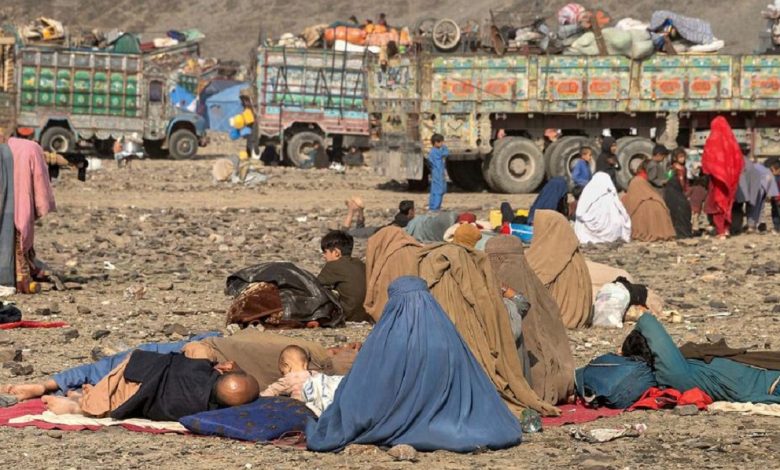
The United Nations has warned that with the intensification of the humanitarian crisis in Afghanistan, life in several remote areas of the country has become increasingly difficult and, in some cases, has even become “impossible.” According to the UN, prolonged drought, food insecurity, and a severe shortage of humanitarian funding have pushed millions of residents into a critical situation.
The UN Office for the Coordination of Humanitarian Affairs (OCHA) announced that nearly 22 million people in Afghanistan are in urgent need of assistance. However, of the $1.7 billion required for 2026, only 14 percent has been funded so far, a shortfall that has seriously challenged relief efforts.
OCHA stated that the long-term drought and reduced water resources have disrupted agriculture and livestock farming in many rural areas, forcing numerous families to abandon their homes and lands. Olga Cheruko, an official with the agency, said that in a village in Bamyan province, nearly half of the residents have left because there is insufficient water for irrigation and agricultural crops have withered.
She added that some families are surviving on the most basic and inadequate food supplies. According to her, extreme poverty has left some families unable to meet even their minimum nutritional needs.
Children are at the forefront of this crisis. The UN estimates that 3.7 million children in Afghanistan suffer from severe malnutrition. Aid workers have warned that many cases of malnutrition go undetected in time, and several children die before receiving medical care.
At the same time, widespread restrictions and the absence of an accountable system under Taliban rule have cast a shadow over crisis management; a matter that aid organizations believe has made coordination and effective access to those in need more difficult.
Despite funding shortages, aid agencies have continued their activities. From January to April of this year, around 5.9 million people received at least one type of humanitarian assistance, of whom 3.5 million received food aid.
The United Nations has emphasized that without an increase in international aid, millions of Afghan residents will face hunger, poverty, and widespread displacement in the coming months.