Germany to Increase Deportations of Afghan Migrants to Three Flights per Month
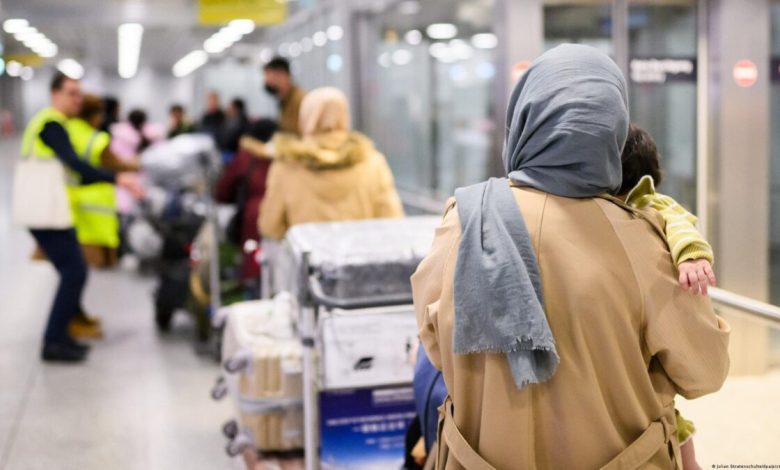
German media have reported that the government plans to expand the deportation of Afghan migrants convicted of crimes and increase charter flights to Kabul to three per month. According to German officials, in addition to these flights, deportations via regular passenger flights will also continue.
Based on these reports, at least one hundred Afghan nationals who have received criminal convictions and deportation orders are currently held in German prisons. Officials from the German Interior Ministry have stated that this process will be carried out in a “regular and reliable” manner.
Alexander Dobrindt, Germany’s Interior Minister, told the newspaper Bild am Sonntag that anyone committing serious crimes and abusing the country’s support must seek their future in their home country. He emphasized that German society has the right to see criminals leave the country, and this policy will be pursued decisively.
This decision follows confidential technical negotiations between representatives of the German Interior Ministry and the Taliban administration in Afghanistan. The increase in technical cooperation on deportations comes amid widespread global criticism of the Taliban government’s human rights record, particularly regarding women and political opponents.
The human rights organization Pro Asyl strongly criticized deportations to Afghanistan in May, warning that such actions could be seen as a form of diplomatic legitimization of the Taliban regime. Helen Resane, the executive director of the organization, stated that normalizing relations with a regime that has deprived women of many of their rights and persecutes critics is deeply concerning from a human rights perspective.
At the same time, the European Parliament has approved, by a majority vote, a plan to tighten deportation laws within the European Union, enabling the creation of deportation centers in third countries. A coalition of Christian Democratic and right-wing parties, including the Alternative for Germany party, supported these regulations, while Social Democrats, Greens, and leftist parties opposed them.
According to the German Interior Minister, agreements are expected this year with third countries to manage and execute deportations. At the EU level, 19 of the 27 member states have signed a joint letter expressing support for so-called “third-country” solutions to address migration cases.