Construction Begins on $5 Million Underground Market in Ghazni
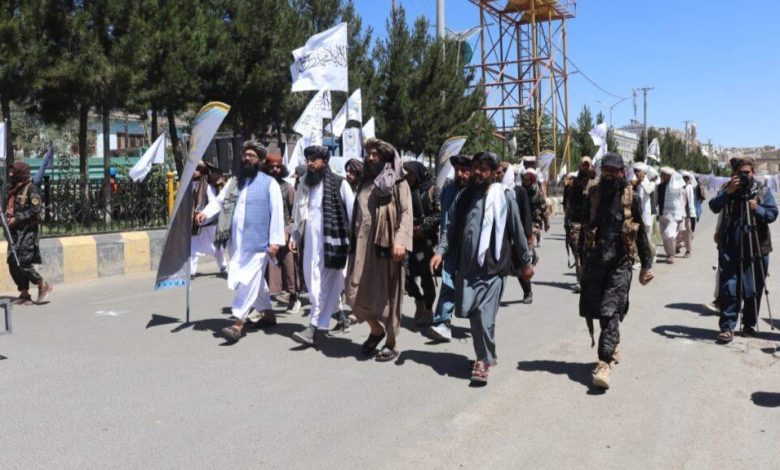
The mayor of Ghazni announced the commencement of construction on a large, standard underground market valued at approximately 400 million Afghanis in the center of the province. This project, funded by the private sector, is set to be developed along the main road stretching from Farokhi Intersection to Qala-e-Sabz Intersection in the city center.
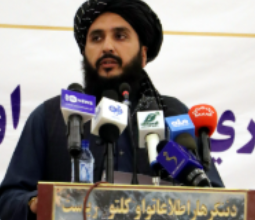
Abu Muhammad Thabit, the Taliban-appointed mayor of Ghazni, stated at the inauguration ceremony that the Sultan Mahmud Ghaznavi Market is being built with the goals of urban development, strengthening economic activity, and establishing order in the central areas of the city. According to him, the market will be constructed underground on both sides of the road and, once completed, will provide employment and investment opportunities for hundreds of people.
According to provided information, the commercial complex will include nearly 700 shops and will offer traders an organized and standard working environment. The project plan also includes the establishment of a mosque, hotels, guard rooms, banks, and other necessary facilities.
Municipal officials claim that, in addition to creating direct and indirect job opportunities, the project will help reduce traffic congestion and disorder in the city center. However, no details have been released about how traffic management will be handled during construction or how private investment funds will be supervised — issues that have consistently posed challenges for urban projects under Taliban administration.
Ahmad Afghan, an engineer from the private company Munir Karwan, said the project will be completed within the next two years and that around four thousand people will benefit from it directly and indirectly. He added that the market will be built in two underground floors following technical standards and described it as the largest underground commercial project in the country.
Meanwhile, Haji Musa Saadat, a prominent tribal elder in Ghazni, referred to existing problems in the central city areas, noting that traffic congestion and disorder are serious challenges for residents. He emphasized that implementing such projects could help regulate commercial activities and improve urban order, provided that they are executed transparently and to proper standards.