Afghanistan and Uzbekistan Stress Joint Investment Amid Transit Deadlock
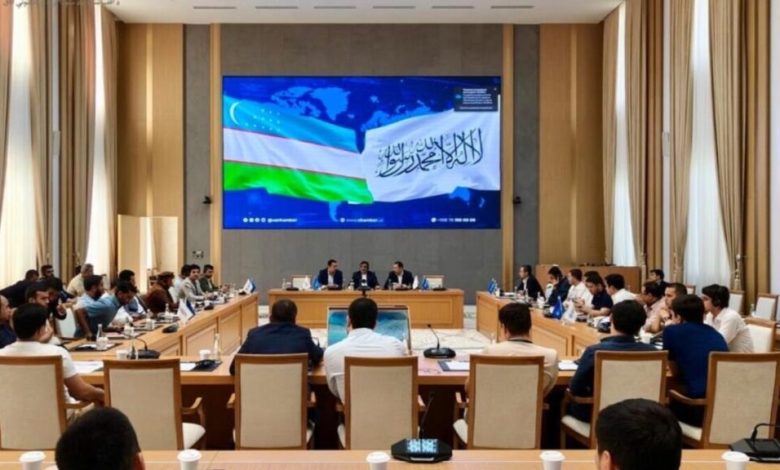
The Afghanistan Chamber of Commerce and Industries announced that its president, along with a number of Afghan businessmen, emphasized the increase of joint investments and strengthening of trade relations between Afghanistan and Uzbekistan during meetings with Uzbek investors and traders. According to the chamber, expanding trade, investment, and economic cooperation were the main focuses of these discussions.
This meeting takes place at a time when Afghanistan faces serious restrictions in its goods transit sector. According to earlier information from the Chamber of Commerce, the country has completely lost its sea transit routes, and major regional ports remain closed to transit goods destined for Afghanistan.
The Port of Karachi in Pakistan, the Port of Jebel Ali in the United Arab Emirates, and the Port of Abbas in Iran—some of the most important corridors for transferring goods to Afghanistan—are currently inaccessible for Afghan transit goods. As a result, traders have been forced to import nearly all essential goods, including necessary food supplies, through Central Asian routes.
On October 12, 2025, the key border crossings of Torkham and Spin Boldak, which played a crucial role in transferring goods from the Port of Karachi into the country, were also closed. These crossings served as critical links for imported goods coming into Afghanistan from around the world.
The Port of Karachi is approximately 1,400 kilometers from Kabul, and according to the Chamber of Commerce, transporting a 40-foot container from this port to Kabul takes three to four days and costs up to $2,000.
Following the outbreak of border clashes between the Taliban administration and Pakistan, Islamabad closed its border crossings to Afghan trade and transit. Nearly 250 days later, these crossings remain shut, and the Taliban administration has yet to find a sustainable solution to reopen these vital routes—a situation that directly impacts traders and ordinary citizens.