Afghanistan Relies on Imports for 80% of Its Electricity, UNDP Reports
The United Nations Development Programme (UNDP) has reported that Afghanistan imports about 80% of its electricity needs; over 90% of this electricity is supplied by Central Asian countries, with the remainder coming from Iran. The agency announced on Tuesday, June 1, that this continued dependency makes the country vulnerable to regional energy crises.
According to the report, only 35 to 40% of Afghanistan’s population has access to a national electricity grid. Access in urban areas is estimated to be close to 90%, while in rural areas it is only about 10%; a gap that highlights widespread inequality in the distribution of essential services.
The report states that nearly all residents rely on wood or coal for cooking and heating. This situation has exacerbated deforestation, increased air pollution, and heightened vulnerability to climate change—issues that have direct consequences on public health and livelihoods.
The UNDP added that after many infrastructure projects were halted in 2021, several energy initiatives have since been reactivated, with programs such as CASA-1000 and TAPI at various stages of implementation. However, slow project progress and lack of coordinated energy management under Taliban governance have raised concerns about the future of the country’s energy security.
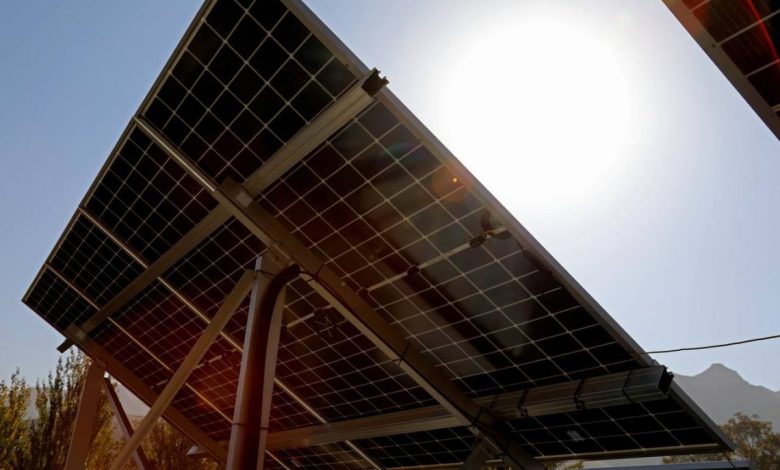
The organization emphasized that Afghanistan possesses significant potential in renewable energy sectors, including solar, wind, and hydro power, but most of these resources remain untapped. According to the UNDP, effective investment and management of these capacities could not only meet domestic demand multiple times over but also pave the way for Afghanistan to become an energy exporter in the long term.