Afghanistan-Russia Trade Doubles in 2025 but Trade Balance Remains Uneven
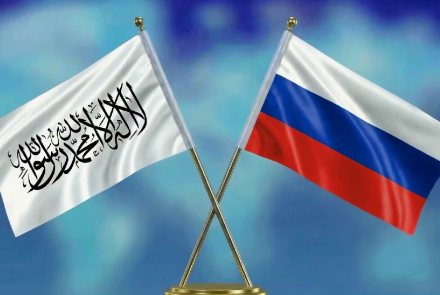
Trade relations between Afghanistan and Russia have seen a significant increase in 2025 compared to the previous year, with the total value of bilateral trade rising from $296 million to $590 million. Statistics from the Ministry of Industry and Commerce indicate that the trade volume has nearly doubled, although the trade balance remains in favor of imports.
According to the data, Afghanistan’s exports account for only about $5 million, a very small figure compared to the volume of imports. This situation shows that despite increased economic interactions, the structure of trade between the two countries is still dependent on imports.
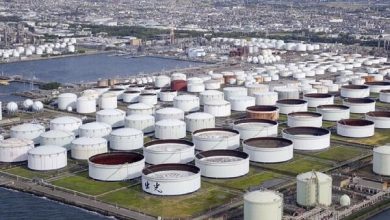
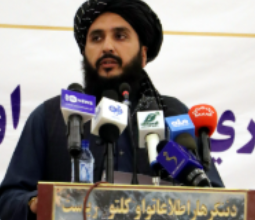
Akhundzada Abdussalam Jawad, spokesperson for the Ministry of Industry and Commerce, stated that Afghanistan’s exports to Russia include raisins, pomegranates, cherries, non-alcoholic beverages, mineral stones, dried apricots, apples, various medicinal plants, and watermelons. He added that key imports from Russia to Afghanistan consist of natural gas, petrol, diesel fuel, squared timber, raw chickpeas, and sunflower oil.
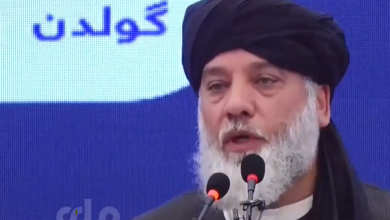
Meanwhile, the Chamber of Commerce and Investment, welcoming the expansion of economic relations with Moscow, emphasized that to effectively benefit from this trend, conditions must be created to increase exports and provide practical support for domestic production. Mohammad Wali Amini, head of the chamber’s executive board, said Russia could become one of Afghanistan’s most important economic partners, and efforts to further expand trade continue.
Economic experts believe that the Taliban administration needs specific support programs for the production and export sectors to reduce dependency on imports and achieve a balanced foreign trade. They warn that without strengthening production infrastructures and providing banking and transit facilities, merely increasing the overall trade figure cannot lead to sustainable economic growth.
In recent years, Russia has expanded its relations with Kabul from the political level to commercial, transit, and economic cooperation fields; a process that has now entered a new phase with the growth of trade volume. However, the challenge of trade balance remains unresolved.