UN Highlights Serious Lack of Safe Drinking Water in Afghanistan
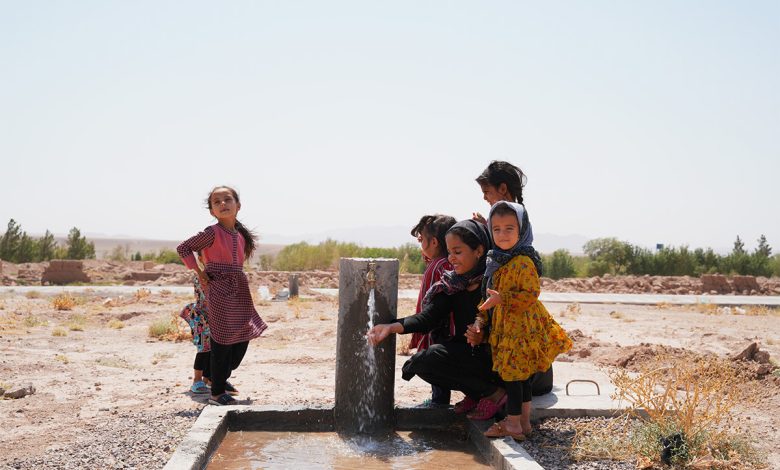
The United Nations Human Settlements Programme (UN-Habitat) has announced that a large number of residents in Afghanistan, especially in informal settlements and urban outskirts, lack access to safe drinking water and basic sanitation services.
Emphasizing that “water equals dignity and health,” the organization warned that the shortage of clean water and sanitation systems could expose thousands of families to serious health risks. According to UN-Habitat, the absence of standard infrastructure for water supply and sewage systems poses a major challenge in many parts of the country.
Informal settlements, which are typically established outside formal urban planning frameworks, are the most vulnerable, with residents having limited access to basic urban services. This comes at a time when access to clean water and sanitation is considered a fundamental need for any society.
UN-Habitat has called for increased efforts to provide clean drinking water and sanitation services to all Afghan citizens. As the country grapples with economic and humanitarian crises, the practical attention of the Taliban administration and responsible institutions to developing water supply and sanitation infrastructure is deemed an urgent and vital necessity.