Taliban’s Ministry Identifies Buddhist-Era Archaeological Site in Laghman Province
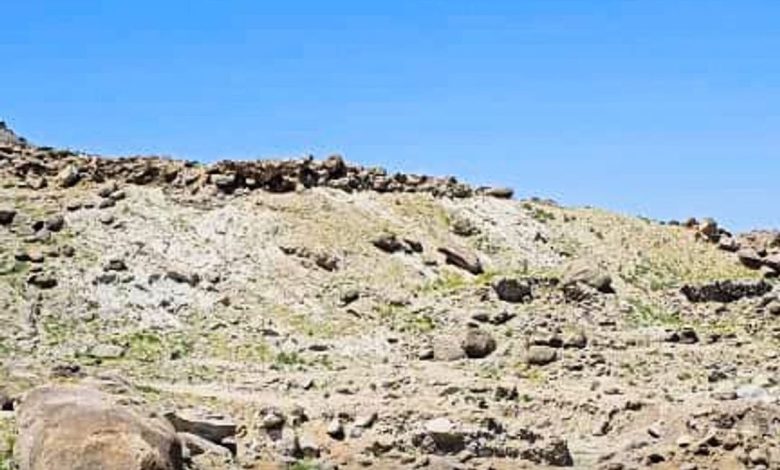
The Taliban’s Ministry of Information and Culture has announced the discovery of an archaeological site dating back to the Buddhist period in Qarghayi district of Laghman province. According to the ministry, the site is located near the permanent refugee camp on the slopes of Siyah Mountain.
Officials from the ministry stated that carved stone statues, niches, ancient walls, and other historical signs are observable at the location. They believe the origins of these artifacts trace back to the Buddhist era in Afghanistan, a period when parts of the eastern country were considered important cultural and religious centers in the region.
Earlier, the Taliban’s Ministry of Information and Culture reported that in the solar year 1404 (2025 AD), around 70 historical sites across the country were surveyed, resulting in the addition of 15 new sites to the registered heritage list.
Afghanistan is among the countries with a rich and multilayered cultural heritage, but concerns over the preservation of these relics persist. During its first period of rule, the Taliban destroyed some prominent historical artifacts, including the Buddha statues in Bamiyan—a move that drew widespread international condemnation and caused serious damage to the country’s cultural heritage. Given this history, there are now expectations for the authority to demonstrate greater transparency and accountability in the practical and sustainable protection of newly identified archaeological sites.