Iran Sends 14-Point Response to US via Pakistan, Suggesting De-escalation Measures
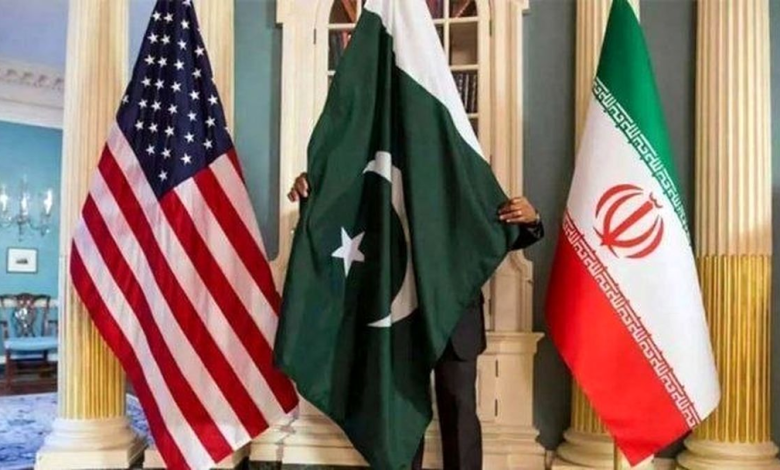
Al-Araby Al-Jadeed and The Wall Street Journal, citing sources close to the negotiation process, have reported that Iran has sent a new 14-point response to the United States; this response was reportedly transmitted to Washington through Pakistan. These reports have not yet been confirmed or denied by official Iranian sources.
According to Al-Araby Al-Jadeed, the response emphasizes an initial phase focused on ending the war, reopening the Strait of Hormuz, and lifting the blockade. It proposes that disputed issues related to the nuclear file be discussed within 30 days. The sources claim that Tehran has shown more flexibility compared to previous positions and agreed to review this issue within a specified timeframe.
Meanwhile, the sources stated that Iran’s response includes a mutual commitment to cease hostilities on all fronts between Iran and its allies on one side and the US and its allies on the other. The response also conditions the end of the maritime blockade, the cancellation of oil-related sanctions, and the release of Iran’s frozen assets within 30 days after signing an initial understanding.
The Wall Street Journal also reported that in Tehran’s proposed plan, the reopening of the Strait of Hormuz would occur gradually in exchange for lifting restrictions on Iranian ships and ports. According to the newspaper, Iran’s response does not cover all existing disputes and does not fully meet the US demand for prior commitments regarding the nuclear program and its stockpile of highly enriched uranium.
The report states that Tehran has suggested simultaneously reducing the enrichment level of part of its stockpile and transferring another part to a third country as tensions ease. At the same time, Iran has requested guarantees that enable the return of transferred materials if negotiations fail or if the US exits the agreement again.
The report further reveals that Iran has declared its readiness to suspend enrichment for a limited period but rejects Washington’s proposal for a 20-year suspension. Tehran also emphasizes preserving its nuclear facilities and opposes their dismantlement.
The Strait of Hormuz, being one of the world’s most crucial energy transit routes, has always played a decisive role in regional developments, and any decisions regarding it can have widespread economic and security repercussions internationally.