Mikheil Says Pakistan’s Influence in Afghanistan Has Expanded Over Years
Shah Mahmood Mikheil, former acting Minister of National Defense during the republican era, has stated that the recent tensions between Afghanistan and Pakistan are not ethnic in nature, and hosting ethnic assemblies cannot be a fundamental solution to this crisis.
In a post on his X (formerly Twitter) page, he wrote that the main problem, according to him, is the “invasion and interference of Pakistan in Afghanistan’s affairs,” and that the current security and political crisis stems from governmental policies. Mikheil emphasized that disputes between countries should be resolved through official diplomacy, not ethnic meetings.
He believes that, given Afghanistan’s current political situation and the lack of an internationally accepted structure, the diplomatic process has slowed down, and some issues have been handed over to local figures; an approach which, in his view, cannot substitute coherent foreign policy.
Mikheil also claimed that Pakistan has long sought to expand its influence in Afghanistan by attracting and enticing certain individuals and even aims to exert control in some areas. According to him, after the Saur Coup and the Afghan civil wars, Islamabad’s level of influence gradually increased.
He added that in 1987, Pakistan’s government control in some border areas was limited, but with ongoing conflicts, the scope of its influence expanded, with advances made into Afghan territory in some regions. Mikheil alleges that during that period, identity documents were also distributed to local residents in some border areas concurrently with the expanding influence; a move he considers a sign of increased influence along the Durand Line.
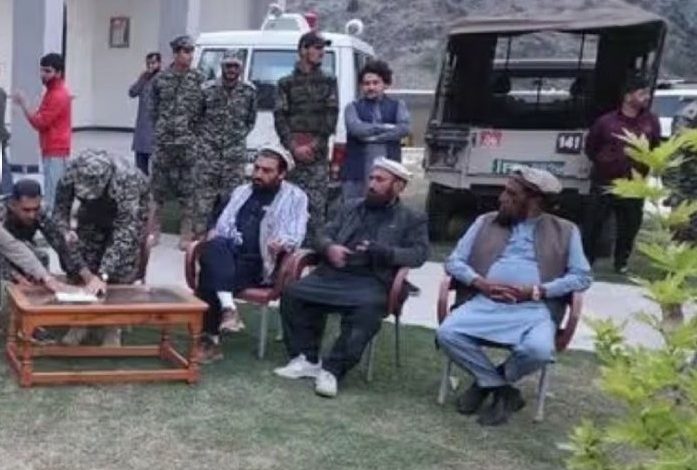
The former defense official stressed that ongoing jirgas and consultations are not fundamental solutions to the crisis and may be part of a broader political agenda. He questioned whether this process is being conducted with the consent of the Taliban administration or under another plan; an issue he believes requires transparency.
Mikheil, concluding with concern about the country’s current situation, said serious questions remain about Afghanistan’s future and expressed hope that the country can overcome the current state and persistent challenges.