2025 Drought Impacts Over 3.4 Million in Northern and Western Afghanistan
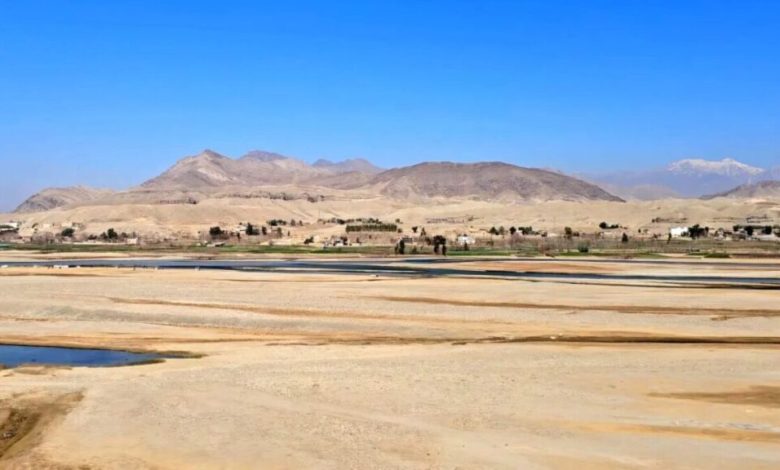
The United Nations Office for the Coordination of Humanitarian Affairs (OCHA) has announced that the 2025 drought has affected at least 3.4 million people in the northern and western provinces of Afghanistan. According to the agency, this crisis has caused extensive damage to agricultural crops and livestock, seriously threatening the livelihoods of thousands of families living in these areas.
OCHA added that, with the support of the United Nations Humanitarian Fund for Afghanistan, the organization’s implementing partners have begun distributing food aid. However, the level of need is so high that the existing assistance is insufficient, and more immediate and extensive support is required.
The agency had previously warned that ongoing conflicts have deepened the humanitarian crisis in Afghanistan, with significant increases in civilian casualties, displacement, and urgent humanitarian needs. At the same time, many aid organizations have expressed concerns about budget shortfalls and restricted access to certain areas—issues that highlight the Taliban administration’s responsibility in managing the crisis and facilitating humanitarian cooperation.
Meanwhile, the World Food Programme reported in its solar calendar month of Hamal (corresponding to March-April) that food prices in Afghanistan have risen by up to 47 percent compared to the previous year. According to this report covering the second week of April, rice prices have increased between 24 and 47 percent, wheat by approximately 20 percent, oil by 10 percent, and sugar by nearly 19 percent—trends that have placed additional pressure on vulnerable families.