UNICEF Warns Afghanistan Faces Shortage of Over 25,000 Female Teachers and Health Workers by 2030
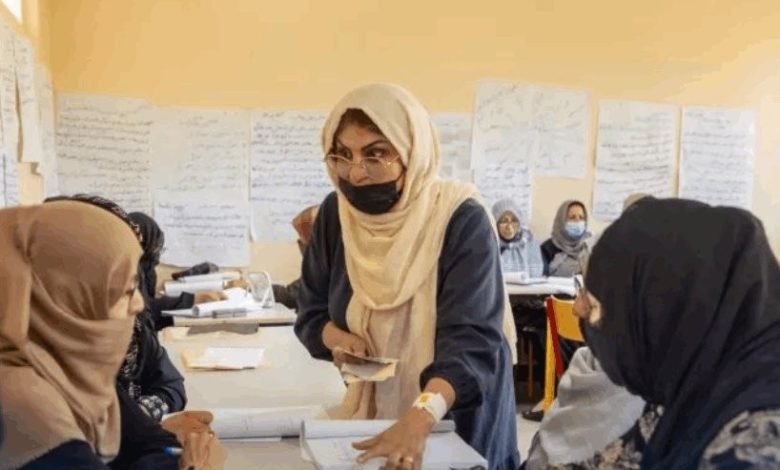
The United Nations Children’s Fund (UNICEF) has warned that ongoing restrictions on girls’ education and women’s employment in Afghanistan could lead to a shortage of more than 25,000 female teachers and health workers by 2030. According to a recent report by the organization, the continuation of this situation could create a serious crisis for essential educational and health services.
The report, titled “The Cost of Inaction on Girls’ Education and Women’s Participation in Afghanistan’s Labor Market,” highlights that women’s presence in civil service has declined from 21 percent in 2023 to 17.7 percent in 2025. Additionally, since the ban on secondary education for girls in 2021, over one million girls have been deprived of continuing their education.
Based on this analysis, if the Taliban administration’s restrictions persist, Afghanistan risks losing 20,000 female teachers and more than 5,400 female health workers by 2030. The number of female teachers in primary schools has also dropped from approximately 73,000 in 2022 to nearly 66,000 in 2024.
Catherine Russell, UNICEF’s Executive Director, stated that Afghanistan cannot afford to lose a generation of future female teachers, doctors, and midwives, warning that the ongoing trends push vital services toward crisis. UNICEF emphasized that a reduction in female health workers could severely limit women’s access to healthcare, especially maternal and child health services, as many women are not permitted to see male health personnel.
The agency also estimated that these restrictions cause an annual economic loss of about $84 million to Afghanistan, with wide-ranging economic and social consequences. Despite these challenges, UNICEF has affirmed its commitment to supporting children’s education, reporting that more than 3.7 million children benefited from its educational assistance in 2025 alone.