Widespread Healthcare Access Denied in Afghanistan Amid Taliban Restrictions
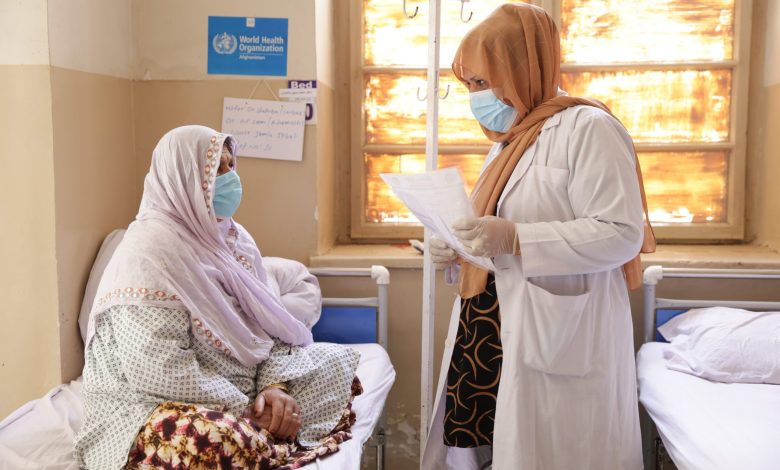
The United Nations Office for the Coordination of Humanitarian Affairs (OCHA) has reported that a large number of people in Afghanistan continue to be deprived of access to basic healthcare services. According to international organizations, this situation has been exacerbated by the restrictions imposed by the Taliban administration.
On Tuesday, 8th of Sawr, OCHA stated in a message that with the support of the Afghanistan Humanitarian Trust Fund and in cooperation with the ECHO agency, it is working to provide primary healthcare services to the most vulnerable groups. The agency emphasized that the needs are extensive and current resources are insufficient to meet the demand.
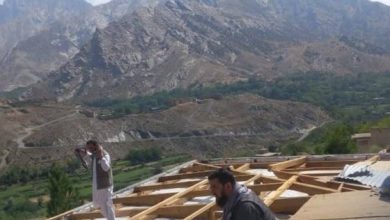
According to OCHA, even in the Paghman district of Kabul province, patients are forced to travel for hours to reach the only active clinic in the area. This highlights the shortage of health centers and the unequal distribution of medical services across the country.
At the same time, the United Nations Children’s Fund (UNICEF) has warned that Afghanistan might lose around 28,000 female teachers and healthcare workers by 2030. The organization considers the decline in female workforce a serious threat to women’s and children’s access to education and healthcare.
Alongside structural challenges, reports indicate that the Taliban administration in some provinces has prevented women from visiting healthcare centers without a male guardian (mahram). These restrictions have significantly reduced women’s access to medical services, especially in remote areas.
Richard Bennett, the UN Special Rapporteur on the human rights situation in Afghanistan, also stressed that denying women access to healthcare services is a clear violation of their fundamental rights. International organizations have repeatedly called for the removal of these restrictions, but so far, no noticeable improvements have been made.