Herat Hospital Treats Only Half of Daily 5,000 Patients Amid Equipment Shortages
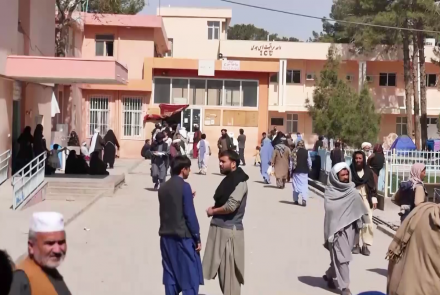
Herat authorities have reported that although over 5,000 patients visit the regional hospital daily, the facility can only address about 50 percent of their healthcare needs. Officials attribute this limitation to a shortage of equipment, beds, and facilities, which hampers the hospital’s ability to serve the high volume of patients.
Abdul Manan Azadmanesh, head of the Herat regional hospital, stated that while the center has more than a thousand active beds, it faces serious deficiencies in infrastructure and medical equipment. He added that over half of the hospital’s needs remain unmet in various departments due to insufficient resources to handle the large number of visitors.
Several residents who brought their patients to the hospital have complained about the lack of adequate services. They say they are forced to seek laboratory tests and medicines from private health centers and pharmacies.
Mohammad Hashim, a patient’s attendant, said that his patient, who suffers from a kidney problem, has been hospitalized at the facility since the beginning of Ramadan. Despite undergoing surgery, no free medication has been provided, and all costs have been paid out of pocket.
Abdul Rashid, another patient attendant, reported spending 30,000 Afghanis on treatment for his patient without achieving satisfactory results.
As the largest health center in western Afghanistan, Herat hospital also serves patients from neighboring provinces. Health officials emphasize an urgent need for assistance from charitable organizations and local traders. However, providing basic health services is considered a fundamental responsibility of the Taliban administration, and the ongoing shortages have raised serious concerns about citizens’ access to medical care.
Recently, a charitable organization donated medical supplies and equipment to the hospital. According to a representative of the group, the aid included 11 types of medicines and medical equipment, as well as 21 essential items for the emergency and obstetrics departments, including operating tables and beds.