IEA Warns of Unprecedented Oil Crisis Amid War and Strait of Hormuz Blockade
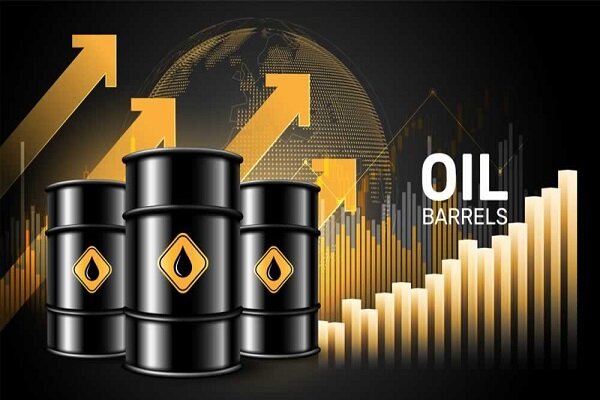
The head of the International Energy Agency (IEA) has warned that due to the ongoing war against Iran and the restricted passage of tankers through the Strait of Hormuz, the reduction in oil supply in April will be twice that of March—a situation that could put severe pressure on the economies of Europe and other countries.
Fatih Birol, speaking in an online conversation with Nikolai Tangen, head of Norway’s National Wealth Fund, said that with the closure of the Strait of Hormuz and severe supply constraints, disruptions in Middle Eastern oil exports will increase. According to him, since the conflict began, more than 12 million barrels of oil have been removed from the global supply chain.
Birol emphasized that, in addition to the decrease in liquefied natural gas supply, the drop in oil supply in April compared to March will be twice as much, potentially triggering a new wave of inflation and reducing economic growth in many countries. He added that some of the oil shipments arriving recently had been contracted prior to the start of the war; with these contracts expiring, the supply reduction will become more pronounced.
According to the head of this international body, shortages of aviation fuel and diesel are among the immediate challenges in the energy market, which have already affected some Asian countries and are likely to impact Europe as well. He also announced that following members’ agreement to an unprecedented release of 400 million barrels of oil, the IEA is considering further strategic reserve releases.
Birol described the current situation as worse in scope and intensity than the oil crises of 1973 and 1979, and even the reduction of Russian gas exports in 2022. He noted that around 40 key energy facilities in Western Asia have been damaged since the conflict began, and restoring them to production will take time.
He warned that vital arteries of the global economy, including petrochemical industries, chemical fertilizer production, and trade in materials like sulfur and helium, have also been disrupted. Continuation of this trend could have broader consequences for the global economy. Meanwhile, oil prices in global markets have been rising.
Following military attacks by the United States and Israel on Iranian territory on 28 February 2026, several senior officials and civilians were killed. Iran has stated that, as part of its self-defense, it targeted related objectives and has restricted the passage of ships affiliated with the involved parties through the Strait of Hormuz.
The ongoing war in Western Asia and the restricted passage of oil tankers through one of the world’s most critical energy chokepoints have heightened concerns about the emergence of a widespread energy crisis.