Former Afghan National Radio Chief: Afghanistan’s Crisis Is Legitimacy, Not Allegiance
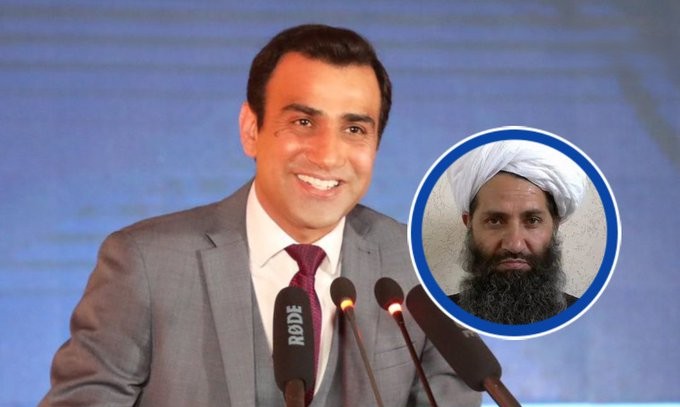
Ismail Mikhail, former head of Afghanistan’s National Radio and Television, responded to the Eid message from Mullah Hibatullah Akhundzada, leader of the Taliban administration, stating that the country’s main problem is not the “lack of allegiance” but the “lack of legitimacy” of the ruling system. He emphasized that pledging allegiance to a “hidden leader” cannot be considered a sign of awareness.
In his Eid message, Mullah Hibatullah Akhundzada said that having an Amir is obligatory for Muslims, and anyone who dies without pledging allegiance to the Amir dies a death of ignorance. He also claimed that unity among the people is impossible without the presence of an Amir and that the Taliban administration interacts with the world based on Sharia law.
In response, Mikhail said Afghanistan under the rule of the hidden Taliban leader has been pushed into the “darkest situation” in terms of poverty, isolation, fear, and social restrictions. According to him, the closing of girls’ schools, silencing of media, exclusion of women from social arenas, persecution of former military personnel, and widespread helplessness of the people define the current realities in the country.
He added that the Taliban leader’s message made no mention of the suffering of the Afghan people, hunger, waves of migration, deprivation of girls’ education, or the problems faced by families struggling to survive daily. Instead, the main focus of the message was on maintaining power, internal group cohesion, and demanding obedience from an unaccountable leader.
Mikhail stressed that legitimacy does not come from the command of a hidden figure, the force of a group, or repeated religious slogans, but from the nation, public consent, political participation, justice, and the formation of an inclusive national system acceptable to all inhabitants of Afghanistan.
He concluded by emphasizing that Afghanistan is not a “personal emirate of a hidden individual” but the shared home of all its citizens— a home that, he said, is built not on allegiance but on legitimacy, national consensus, political will, and the consent of the people.