Pakistan Defense Minister Says Military Operations in Afghanistan Have No Set Timeline
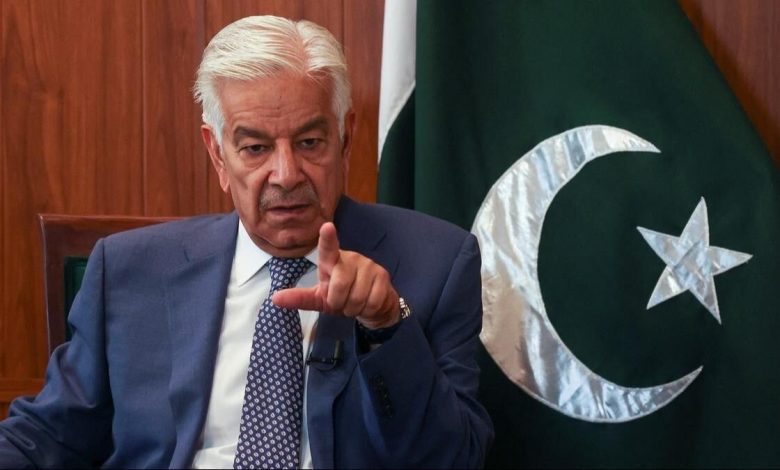
Pakistan’s Defense Minister has stated that the country’s military operations on Afghan soil have no specific timetable and will continue until the set objectives are achieved. Khawaja Asif emphasized in an interview with Geo News that Islamabad has “no hesitation in continuing the operations,” and the initiated attacks are yet to be completed.
On Friday, he added that pressure on the Taliban persists, but expressed uncertainty about the long-term consequences of these conflicts. According to him, actions taken to achieve “specific goals” are still underway, and their conclusion depends on the full realization of these objectives.
Amid rising tensions between Islamabad and the Taliban administration in recent weeks, some regional countries have stepped in to reduce the crisis. Khawaja Asif noted that Qatar and Turkey have made diplomatic efforts, but in his view, their influence cannot be compared to China’s role.
The Pakistani Defense Minister further stated that China holds a special position in regional dynamics due to its shared border with Afghanistan and extensive involvement in major economic projects and investments. He claimed that those ruling in Kabul rely on China’s financial resources and influence, which may enable Beijing to play a more effective role in resolving the crisis.
China was among the first countries to mediate between Islamabad and the Taliban administration, but thus far these efforts have not led to any tangible reduction in tensions. Meanwhile, Arab and Islamic countries including Turkey, Qatar, and Saudi Arabia have also engaged in consultations to manage the crisis; however, none of these initiatives have yet produced practical results.
The continuation of conflicts and lack of a clear prospect for ending the operations have raised concerns about escalating insecurity in border areas and the repercussions for civilians and regional stability. This situation is attributed to the Taliban administration’s contentious policies and its failure to manage foreign relations effectively.