Unequal Access to Water and Urban Services Deepens Crisis in Afghanistan
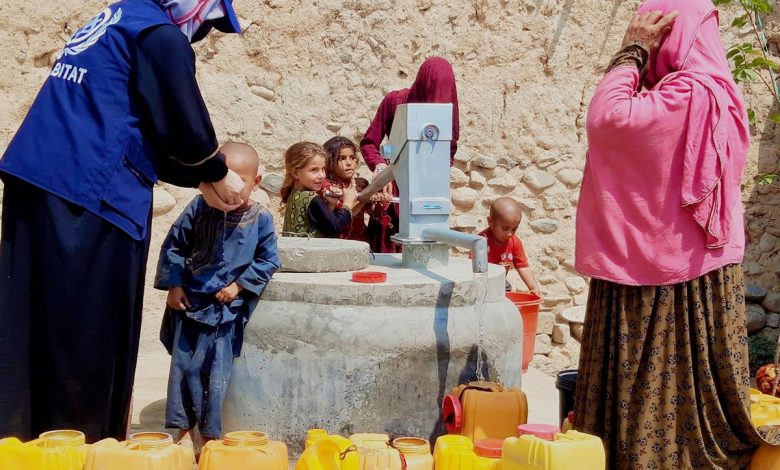
UN-Habitat has reported that inequality in access to housing, land, and basic services in Afghanistan has left many residents without safe drinking water and sanitation services.
According to the agency, the problem of water and sanitation systems is not limited to infrastructure shortages but is directly linked to issues of equality, human dignity, and citizens’ fundamental rights. The lack of fair access to these services has created serious daily challenges for thousands of families living in both urban and rural areas.
Urban experts emphasize that access to clean water and adequate sewage systems is among the most basic human rights, and deprivation from these can lead to widespread health and social consequences. In a country like Afghanistan, where a large portion of the population struggles with poverty and economic instability, providing these services is even more crucial.
Meanwhile, the Taliban administration has yet to present a comprehensive and transparent plan to address inequalities in the distribution of urban and rural services. The continuation of this situation has heightened concerns about increasing social divides and the vulnerability of low-income groups.
International organizations stress that addressing the water and sanitation crisis in Afghanistan requires an approach based on social justice, sustainable investment, and accountable management — a goal that will be difficult to achieve without practical commitment from internal authorities.