Taliban Begins Coal Extraction from Five Mines in Baghlan Province
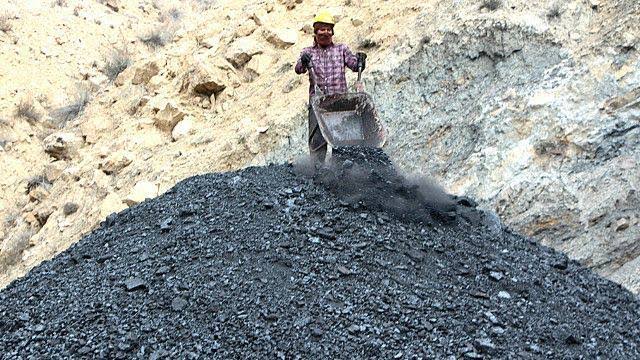
The Taliban administration has initiated coal extraction from five mines located in Pul-e Khumri, the capital of Baghlan province. This project, covering an area of 111 square kilometers, is planned to continue for 30 years. The estimated reserves of these mines are about 69.4 million tons, expected to generate nearly $60 million annually in revenue for the Taliban administration.
Despite these claims, the increase in income from natural resources has not yet alleviated the widespread economic problems in Afghanistan. The exploitation of these mines under Taliban control is marked by a lack of transparency and extensive labor rights restrictions. Concerns have also been raised about the environmental consequences of this extraction and its impact on the livelihoods of local residents.
The Taliban administration claims that in addition to generating revenue, the project will contribute to energy supply, industrial production development, and job creation for the people of Baghlan. However, reports indicate the absence of comprehensive plans to protect workers’ rights and ensure fair resource management.
Coal extraction is among the sectors the Taliban focuses on to increase revenue from Afghanistan’s mines, but concerns about the social, economic, and environmental effects of these initiatives persist.