WFP Warns of Worsening Hunger and Malnutrition in Afghanistan
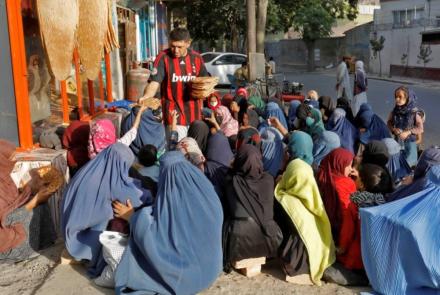
The World Food Programme has warned that Afghanistan’s hunger and malnutrition crisis is getting worse, with rising food prices, unemployment and reduced humanitarian aid placing additional pressure on vulnerable families.
John Ayliffe, the WFP chief in Afghanistan, said nearly six million Afghans have been forcibly returned from neighbouring countries over the past three years, while there are not enough jobs inside the country to meet the livelihoods needs of those returning.
He said tensions with Pakistan and the crisis in the Middle East have disrupted trade routes and supply chains, causing the price of basic food items in Afghanistan to rise by 20% to 30%. He said poor people can no longer afford to buy food from the market.
Ayliffe added that nearly 14 million Afghans are now facing acute hunger, but in recent months the WFP has been able to provide food assistance to only one in every nine people because of a severe funding cut.
He also warned about the deteriorating situation for children, saying acute child malnutrition, considered one of the deadliest forms of malnutrition, has reached critical levels in one-third of Afghanistan’s provinces. According to him, the number of children who are taken to health centres in severe condition for treatment has also risen significantly.
Abdulzohur Modabber, an economic expert, said that to reduce Afghanistan’s dependence on foreign aid, attention should be focused on increasing domestic production capacity, boosting gross domestic product and finding suitable markets for investment.
The WFP chief stressed that the agency needs $500 million over the next six months to continue its emergency food and nutrition programmes, a request he said has become more urgent as winter approaches and pressure on vulnerable families increases.
The World Food Programme is one of the main aid agencies operating in Afghanistan in the field of food and nutrition assistance, and it typically faces rising demand from poor families in different parts of the country during the cold season.