UN Reports Tenfold Increase in Women’s Business Licenses Amid Taliban Restrictions in Afghanistan
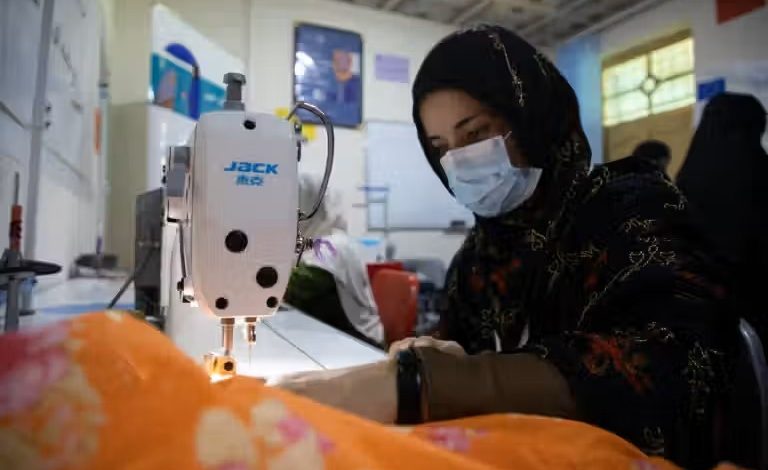
The United Nations reports that despite extensive restrictions imposed by the Taliban on women’s education and employment, the number of Afghan women holding official business licenses has surged to over 10,000—a nearly tenfold increase compared to five years ago. However, the UN emphasizes that this growth is not a sign of progress but a consequence of the closure of other employment avenues for women.
Deol Mukherjee, Deputy Resident Representative of the UN Development Programme (UNDP) in Afghanistan, stated that the Afghanistan Chamber of Industry and Commerce has registered more than 10,000 official business licenses in women’s names, whereas before 2021, this figure ranged between 600 and 1,000. He added that approximately 120,000 other women are engaged in small businesses without official licenses, with the World Bank recognizing this sector as the largest women-led economic activity in the country.
According to UNDP data, fewer than seven percent of Afghan women were employed by 2024. Citing a New York Times report, the UN referenced a female business representative who said, “Trade is the only remaining hope for women in Afghanistan.” The UNDP deputy stressed that the increase in women-run businesses does not indicate improved conditions but reflects women’s exclusion from other educational and administrative sectors.
Since the Taliban took control in 2021, successive restrictions on women’s work and education have been imposed. UN officials say many girls who dreamed of becoming engineers or lawyers have been driven into carpet weaving and homemade product manufacturing. Women entrepreneurs face strict limitations even in these areas; without a male guardian’s permission, they cannot travel for work, visit banks, or directly interact with certain customers and suppliers.
The UN further reports that the forced closure of women’s beauty salons deprived about 60,000 women of income sources. Moreover, fewer than seven percent of women have access to bank accounts, and new restrictions have forced many to rely on informal financial networks, family savings, or international aid.
The UNDP deputy said the agency has supported more than 90,000 small and medium enterprises with financial aid and equipment since 2021, leading to a 25 percent increase in their revenues. The organization has also facilitated women’s access to financial resources without requiring in-person bank visits by providing $1 million in guarantees and developing digital, Sharia-compliant financing methods.
Meanwhile, reports reveal that the Taliban administration has repeatedly prevented women entrepreneurs from participating in domestic exhibitions in recent years. Some women artisans have also reported being denied permission to showcase their products at a regional exhibition in Kabul, a move observers believe has further constrained women’s economic activities.