3.7 Million Afghan Children at Risk of Severe Malnutrition, UNICEF Warns
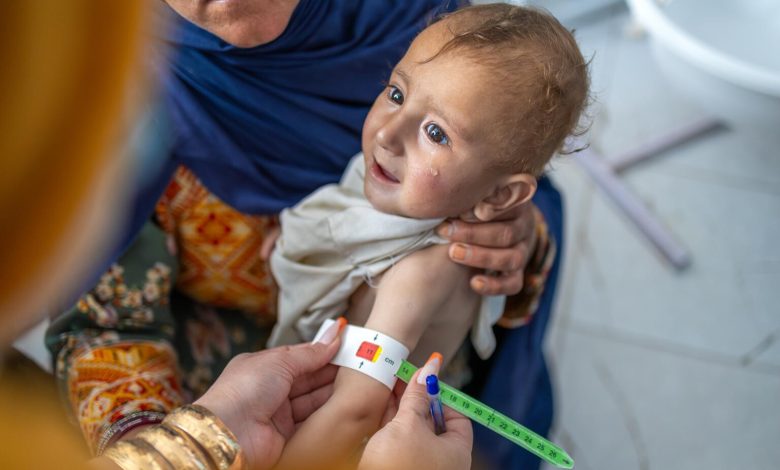
The United Nations Children’s Fund (UNICEF) has announced that 3.7 million children in Afghanistan are at risk of severe malnutrition, a figure that has raised concerns as the peak season for acute child wasting begins. The agency says food and nutritional insecurity are among the main factors exacerbating this crisis.
On Saturday, July 18, UNICEF published a report titled “Too Little, Too Late: The Crisis of Young Children’s Diets in Afghanistan,” warning that malnutrition indicators have worsened in most parts of the country. According to the latest nutrition data, the malnutrition situation in 26 out of 34 provinces has deteriorated compared to 2025.
The report states that children under two years old are the most vulnerable, accounting for 83 percent of severe malnutrition cases and 77 percent of moderate malnutrition cases. This age group is considered the most critical stage of a child’s life due to the essential need for nutrients vital for physical and mental growth.
Tajuddin Owal, UNICEF’s representative in Afghanistan, said, “When families start reducing meal portions or cutting down on nutritious foods, it is not just a sign of economic hardship; it is a warning that a child may soon suffer from severe and life-threatening wasting.”
UNICEF has called for immediate investment to protect the diets of young children and prevent an increase in malnutrition cases. Meanwhile, aid organizations have repeatedly warned about limited financial resources and the lack of effective support programs, highlighting the Taliban administration’s responsibility to ensure basic livelihoods and access to essential food supplies for families.