Taliban Detain 55 Shia Mourners During Muharram in Kabul
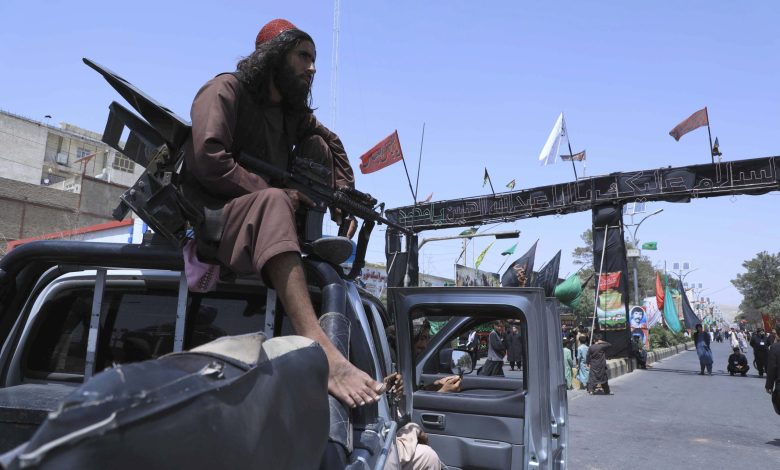
The Afghanistan Human Rights Center has reported that the Taliban administration arrested at least 55 Shia mourners in Kabul during the first ten days of Muharram. According to the organization, 46 individuals were detained at a single Hussainiya in Kabul, with nine others arrested arbitrarily for raising flags and mourning symbols. The center stated that the arrests were carried out under orders from the Taliban’s Minister of Justice, and the detainees are being held in his private prison.
In a statement released on Tuesday (June 29), the Taliban forces also raided several mosques and Hussainiyas, including Imam Hassan Mujtaba Mosque, Mohammadiya Mosque, and Golzar Shohada Hussainiya. The organization added that representatives of the Afghanistan Shia Scholars Council, who sought dialogue to resolve issues, faced inappropriate treatment.
In Herat province, the center noted that street ceremonies, carrying flags, and other mourning symbols have been banned, allowing only limited gatherings in designated areas on Ashura day. Representatives of the Shia community in Herat have repeatedly requested permits but were denied by the Taliban administration.
Similar reports have emerged from Balkh, Bamyan, and Ghazni provinces, indicating that restrictions on Muharram ceremonies and the detention of mosque and Hussainiya officials are becoming widespread. The Afghanistan Human Rights Center described these actions as part of a “broad and systematic pattern of restricting religious freedom” for Shias, Ismailis, and Sufis during the Taliban’s rule.
The center emphasized that limiting mourning for Imam Hussein, revered by all Muslims, contradicts the spirit of mercy and Islamic unity. The statement noted that Islam stresses cooperation and coexistence among the Muslim community, and any discriminatory actions based on sectarianism are incompatible with justice.
The Afghanistan Human Rights Center also reminded that under Hanafi jurisprudence, which the Taliban claim to follow, arbitrary arrests and harassment of others’ religious practices lack a legitimate religious basis. The organization called for the immediate cessation of restrictions, respect for religious sites and symbols, and the protection of religious freedom for all minorities.
It further urged the United Nations Assistance Mission in Afghanistan (UNAMA) to conduct an independent and impartial investigation into these restrictions with the inclusion of community representatives. Since the Taliban’s return to power, extensive limitations on Muharram ceremonies in Shia-populated areas have been reported, along with incidents of confiscation and destruction of mourning flags.