World Bank Warns Afghanistan Faces Serious Food Security Crisis
The World Bank, in its latest report, has warned that Afghanistan is facing significant challenges in food security and employment due to its economic crisis and structural constraints—a situation that will be further strained by rising global food demand through 2050.
The report titled “Strengthening Food Security and Creating Employment” states that Afghanistan, as part of the Middle East, North Africa, Afghanistan, and Pakistan region, is among the countries highly vulnerable to food crises. According to the report, approximately 18% of the region’s population currently experiences some form of food insecurity, while 42% lack access to a nutritious diet.
The World Bank emphasized that the situation is particularly severe in countries like Afghanistan, where economic recession, reduced investment, and structural limitations prevail. Following recent political changes and the Taliban’s rule, financial isolation and diminished development aid have exacerbated the fragility of the country’s economy and limited employment opportunities.
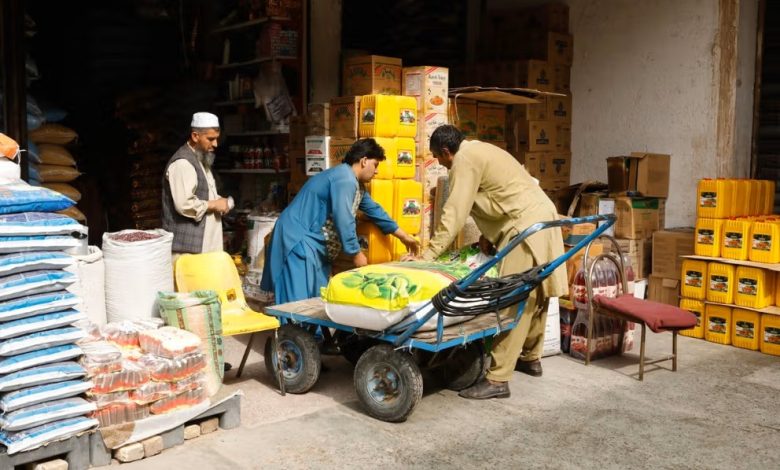
The report highlights that Afghanistan struggles with limited domestic production, inadequate agricultural infrastructure, and heavy reliance on imported food. These factors cause any fluctuation in global markets to rapidly affect prices and people’s access to food.
However, the World Bank also underscored Afghanistan’s potential. The institution believes that investing in agriculture—especially the development of effective irrigation systems and adoption of agricultural innovations—could substantially boost food production and foster sustainable employment.
According to this assessment, implementing such programs regionally could create around five million new jobs by 2050, and Afghanistan could benefit if favorable conditions are established. Agriculture and food industries remain key employment sources in the region, with emerging opportunities in processing, transportation, and food services sectors.
The World Bank also stressed the necessity of policy reforms, improving the business environment, and increasing infrastructure investment. It warned that without these actions, countries like Afghanistan will continue to be vulnerable to food and economic crises. The institution called for a comprehensive approach to developing domestic production, effective water resource management, reducing food waste, and expanding regional cooperation.