World Parliamentarian Day: Afghanistan Nearly Five Years Without an Elected Legislature
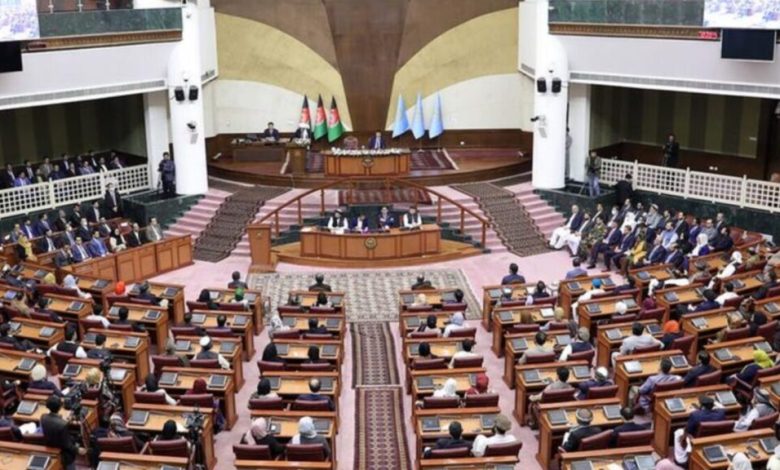
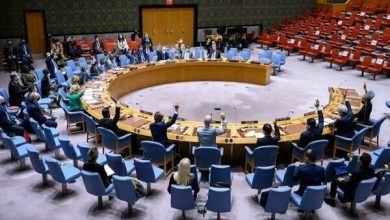
Today, June 30th, marks World Parliamentarian Day, a significant occasion to highlight the role of parliaments in representing the people, legislating, and overseeing government performance. However, Afghanistan is approaching its fifth year without a parliament or an elected legislative body and is currently governed by the Taliban without a popular legislative institution.
The United Nations established this day to emphasize the importance of parliaments in safeguarding human rights, upholding the rule of law, and holding governments accountable. This occasion coincides with the anniversary of the Inter-Parliamentary Union’s founding and has been officially recognized in the UN calendar since 2018.
Despite this global observance, Afghanistan commemorates the day under challenging circumstances. Following the collapse of the republic, the National Assembly was disbanded. In its first budget document, the Taliban administration eliminated the parliament and several other institutions from the previous system — a move that deprived the country of one of its most crucial mechanisms for oversight and legislation.
Under the republican system, the National Assembly consisted of two chambers: the Wolesi Jirga (House of the People) and the Meshrano Jirga (House of Elders). This body was responsible for passing, amending, and repealing laws, reviewing and approving the national budget, ratifying international agreements, and supervising the government’s actions. The absence of such an institution has created a significant void in the lawmaking and accountability processes and has raised serious questions about the public’s role in major national decision-making.