WHO Supports 11 Addiction Treatment Centers Across Afghanistan
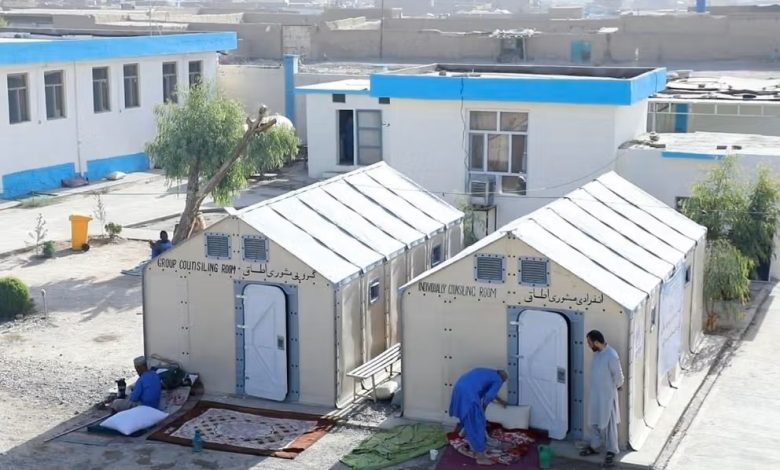
The World Health Organization (WHO) has reaffirmed its commitment to implementing prevention, treatment, and rehabilitation programs for addicts in Afghanistan, currently supporting 11 addiction treatment centers across various parts of the country. These centers provide medical and supportive services to individuals affected by substance abuse.
In a statement issued on Saturday, June 26, coinciding with the International Day Against Drug Abuse and Illicit Trafficking, WHO highlighted that drug use continues to profoundly impact the lives of many individuals, families, and communities in Afghanistan, creating serious health, social, and economic challenges.
According to published information, of the 11 supported centers, four specialize in treatment for women and children, and one is dedicated to adolescent boys. Together, these centers operate 610 active beds. Additionally, 11 mobile teams offer addiction treatment, mental health care, and psychosocial support services in various locations across 10 provinces.
Furthermore, four opioid agonist maintenance treatment centers are operational in Kabul, Kandahar, and Helmand cities, serving more than 500 individuals. This treatment method is recognized as an effective approach to reducing opioid dependence.
Edwin Seniza Salvador, WHO’s representative in Afghanistan, stated that disorders caused by substance abuse are among preventable health problems. According to him, investment in prevention, expanding access to health care, and strengthening treatment services can help improve the condition of addicts and support their active reintegration into their families and communities.
Meanwhile, the United Nations Office on Drugs and Crime (UNODC), in its 2026 World Drug Report, warned that the unprecedented decline in opium production in Afghanistan, alongside the spread of synthetic opioids, is reshaping the global drug market structure—a development that could have new consequences for the region and the world.