US Accused of Selective Treatment of Afghan Refugees Amid Delays and Restrictions
The head of the organization ‘Afghan Evac’ has accused the United States government of double standards in its treatment of Afghan refugees, stating that while some migrants receive “welcome packages,” thousands of US Afghan allies face long delays and complicated administrative processes.
Sean Vandiver, the leader of this group supporting the transfer of Afghan refugees to the US, said in a statement on Thursday, June 25, that what is happening to former US allies in Afghanistan is an example of “selective treatment” in immigration policy. He explained that while US institutions have provided food, clothing, and basic supplies to newcomers for years, former collaborators with the US military and agencies are subjected to “years of eligibility reviews, repeated security screenings, and endless paperwork.”
Vandiver emphasized that thousands of Afghan allies have only been promised that the US will stand by them. He stated that the issue is not the receipt of aid by other refugees but that, in his opinion, the administration of Donald Trump offers a “selective” welcome package based on “race and background.”
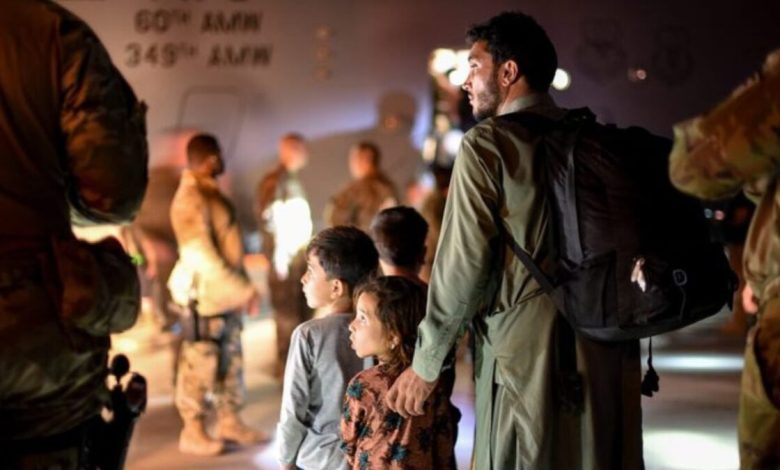
According to statistics provided by Afghan Evac, after the fall of the republic and the Taliban’s return to power in Afghanistan, approximately 200,000 people have been relocated to the US through evacuation processes. However, about 1,100 individuals who have completed acceptance procedures remain in the Al-Salila camp in Qatar, awaiting transfer to the United States.
The head of the organization added that nearly 250,000 former US allies and their family members remain in limbo due to the slow and restrictive immigration system. He identified these individuals as including translators, soldiers, government employees, journalists, and aid workers who, he said, worked alongside US forces despite serious risks.
Vandiver clarified that Afghan allies “did not ask for gift bags” but are requesting that the US fulfill its commitments. He warned that current policies prioritize some refugees urgently but fail to apply the same approach to those who served alongside the US.
These criticisms come as Donald Trump, after returning to the White House in early 2025, suspended immigration programs and completely banned the entry of Afghan citizens into the United States this year. It has also been reported that the US government intends to relocate more than 1,000 remaining individuals in Al-Salila camp to Congo.
In response, several US Congress members have proposed legislation to prevent the return of these individuals to Taliban-controlled Afghanistan or their transfer to third countries deemed insecure from a security standpoint. However, the review of this legislation will continue until the end of December, while the Al-Salila camp is scheduled to close in September, raising concerns about the fate of these refugees.