Afghanistan Ranked Worst Country for Children for Third Consecutive Year
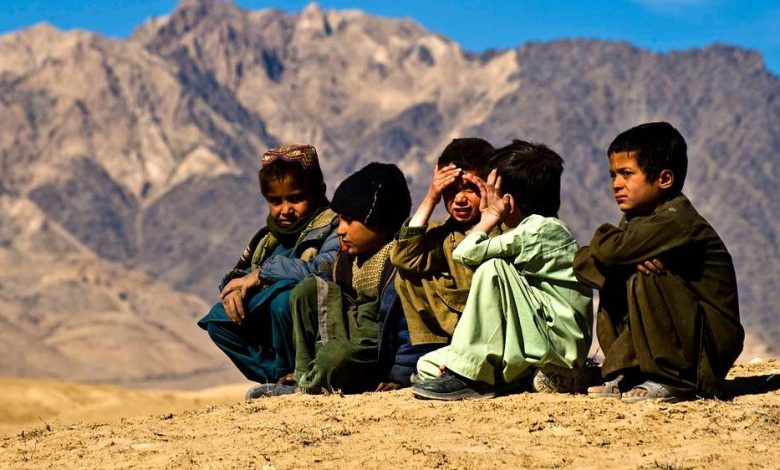
The 2026 Children’s Rights Index report reveals that Afghanistan has once again taken the lowest position among 194 countries worldwide, marking the third consecutive year it has been labeled the worst country for children. This report was published on Wednesday, June 24th, by a Dutch organization called “Children’s Rights” in collaboration with Erasmus University Rotterdam.
The assessment evaluates children’s conditions based on indicators such as living standards, health and medical care, education, protection, enabling environment, and climate change. Afghanistan scored 0.214, placing it at the bottom not only globally but also within the South Asian region.
According to the report, Afghanistan scored 0.209 in 2024 and 0.206 in 2022, ranking last worldwide in both years as well. In 2024, the country fell to the lowest rank, sharing the bottom position with Chad, a country which had the worst situation for children for the fourth consecutive year.
This year’s list ranks Chad, Guinea, Nigeria, South Sudan, the Central African Republic, El Salvador, Madagascar, Sierra Leone, and Ecuador following Afghanistan as some of the worst countries for children. In contrast, Luxembourg, Iceland, Monaco, Germany, Norway, Denmark, Greece, Belgium, Slovenia, and Austria occupy the top positions.
The report, citing recommendations from the United Nations Committee on the Rights of the Child, highlights that girls in Afghanistan face serious gender discrimination. The committee expressed concern over unequal treatment of girls and extensive restrictions on their fundamental rights.
Additionally, the existence of contradictory legal sources — including codified, customary, and Sharia laws — has undermined children’s rights, with some laws conflicting with the Convention on the Rights of the Child still being enforced. The lack of a comprehensive data collection system on children’s living conditions, absence of detailed statistics on girls, poor children, and children with disabilities, as well as insufficient educational funding, are other major challenges identified.
Since the Taliban regained control, Afghanistan has consistently ranked at the bottom of this index each year. The Taliban regime has banned education for girls above the sixth grade, depriving millions of children, especially girls, of their right to education—a move that starkly contradicts the country’s international commitments.
Furthermore, about a month ago, the Taliban released a “Couples Discrimination Charter” which implicitly recognizes child marriage. This development has heightened concerns about the increasing risk of early marriages and the further deterioration of children’s rights in Afghanistan.