Russian Official Claims Taliban Reduced Drug Production by 90 Percent
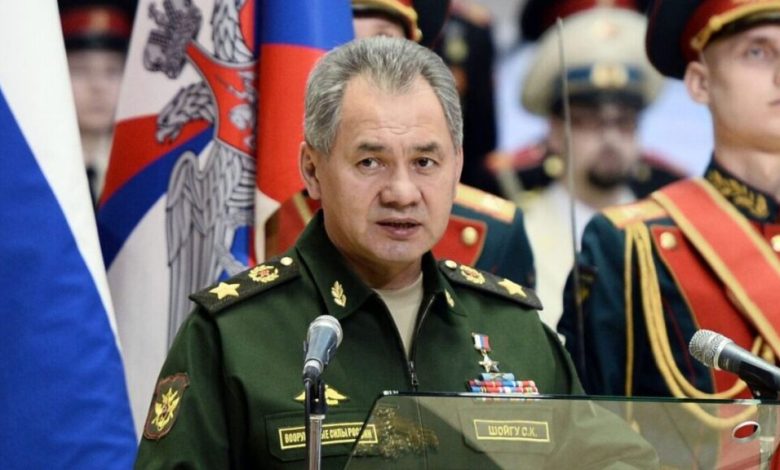
Sergei Shoigu, Secretary of the Russian Security Council, announced that the Taliban administration has managed to reduce the production and trafficking of hard drugs by nearly 90 percent. On Tuesday, June 22, following a trip to India, he told reporters that this figure had been mentioned previously and is now reaffirmed. According to him, the decline in production has effectively led to a reduction in drug exports from Afghanistan.
Shoigu described this achievement as a “major accomplishment” and said the authorities governing Afghanistan have met their goals in this regard. However, no details have been provided about the methods of oversight, independent statistics, or verification mechanisms for this claim.
Meanwhile, officials from four Central Asian countries announced on Thursday, June 18, that the main threat of drug trafficking in the region continues to originate from transit routes linked to Afghanistan. According to an Asia Today report, security and anti-narcotics forces in Uzbekistan, Kyrgyzstan, Kazakhstan, and Tajikistan have seized dozens of drug shipments along the border with Afghanistan in recent weeks; this indicates that regional concerns over ongoing trafficking remain.
Adding to these concerns, a Russian security official told the RIA Novosti news agency on June 13 that a belt of drug production and trafficking from Southeast Asia to Iran and Afghanistan is taking shape. Alexander Bortnikov, head of Russian intelligence, also stated that nearly 170 drug laboratories were dismantled in the Commonwealth of Independent States (CIS) last year and about 9 tons of synthetic drugs were discovered and confiscated.
Russian authorities consider transnational criminal networks to be the main drivers behind the growth in drug production and trafficking, noting that these networks have expanded their operations into Central Asia. According to them, laboratories producing new synthetic drugs have been established there, with established routes for transporting drugs to Russia and Western countries.
Afghanistan has been one of the world’s largest producers of narcotics, especially opium, for decades. Following the Taliban’s return to power, they declared a fight against drug cultivation and trafficking. However, the lack of transparent data and limited access for international organizations to various areas has made independent assessments of the success of these claims difficult.
Russia is the only country to officially recognize the Taliban administration and, alongside political engagement, has established economic and military relations with it. This context makes the statements of Russian officials regarding Afghanistan’s situation particularly significant within these close ties.