Afghanistan’s Taliban-Led Economy Ministry Discusses Humanitarian Aid with Norway’s NRC
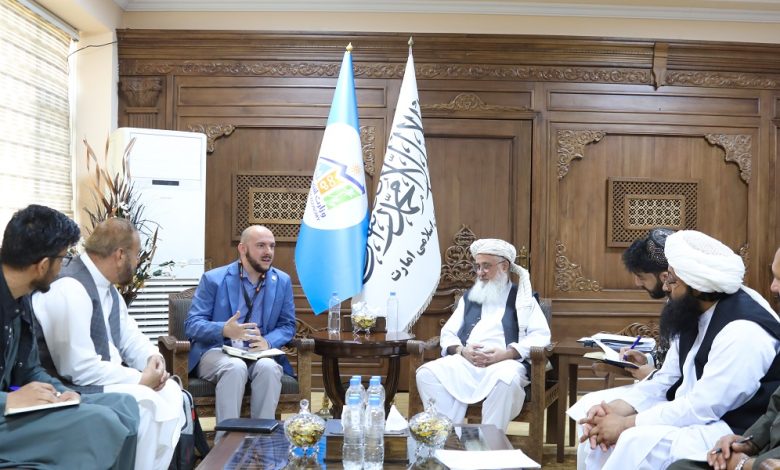
The Taliban-led Ministry of Economy in Afghanistan announced that Din Mohammad Hanif, acting minister, met with Robert Enzikova, interim head of the Norwegian Refugee Council (NRC) in Afghanistan, to discuss the continuation of humanitarian aid for internally displaced persons (IDPs) and returnees. During the meeting, the current status of relief programs and the urgent needs of vulnerable families across different regions of the country were reviewed. According to the Ministry of Economy’s statement, the dialogue primarily focused on the challenges faced by displaced communities, their access to emergency assistance, and humanitarian needs nationwide. In recent years, IDPs have encountered widespread difficulties related to shelter, livelihoods, and education due to ongoing conflict, natural disasters, and economic crises. The interim NRC representative reiterated the organization’s commitment to sustaining humanitarian efforts in Afghanistan, emphasizing that NRC will continue programs including legal aid, education, livelihood support, food security, emergency aid for IDPs and returnees, job creation for youth, and shelter provision for returnees. He added that despite budget cuts this year, NRC strives to implement its programs across various provinces and to attract increased support from international donors. Meanwhile, acting Minister Hanif welcomed NRC’s continued cooperation and called for greater global engagement in development projects, expansion of employment opportunities, lifting of sanctions, and the release of Afghanistan’s frozen assets. This comes amid a significant reduction in international aid due to restrictions imposed by the Taliban administration and concerns over human rights, with humanitarian organizations repeatedly warning that prolonging this situation could adversely affect the lives of millions of vulnerable residents. Hanif also stated that expanding job opportunities, vocational training, and support for vulnerable groups can strengthen family economies and reduce dependency on immediate aid—a goal experts believe will be difficult to achieve without greater economic and social openness and gaining the confidence of the international community.