UNICEF 2025 Report Highlights Vital Services for Millions of Children in Afghanistan
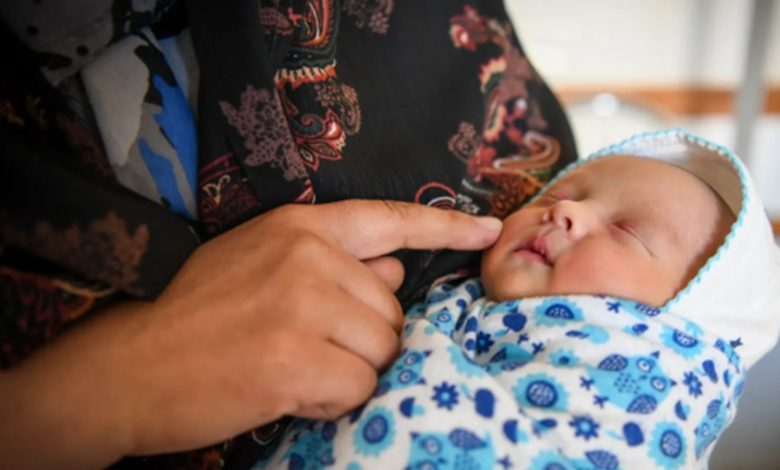
The United Nations Children’s Fund (UNICEF) has announced in its 2025 annual report that over the past year, millions of children and families in Afghanistan have benefited from health, nutrition, education, and drinking water services—services deemed crucial for many residents amid the country’s current challenging conditions.
According to the report, through UNICEF-supported centers, more than 20 million people, including 5.6 million children, received primary healthcare services. Additionally, 10 million children and mothers gained access to essential nutrition supplies and services, a move that has played a significant role in reducing malnutrition and diseases.
In the education sector, UNICEF stated that four million children benefited from community-based education programs, emergency education initiatives, textbooks, and learning materials at schools. This comes while Afghanistan’s education system continues to face extensive challenges, making ongoing support critical for maintaining children’s access to education.
The report also indicated that 2.7 million people have accessed clean drinking water, sanitation, and emergency health interventions. Access to clean water and sanitation services remains limited in many parts of the country, with aid organizations repeatedly emphasizing the need for increased investment in this sector.
UNICEF expressed gratitude for the cooperation and support of its donors and partners, noting that these achievements would not have been possible without collective effort. The organization further underscored that these advancements reflect the resilience and perseverance of the Afghan people, especially children, in the face of adversity.