Canada Rejects Study Visa for Afghan Girl Despite Full Scholarship
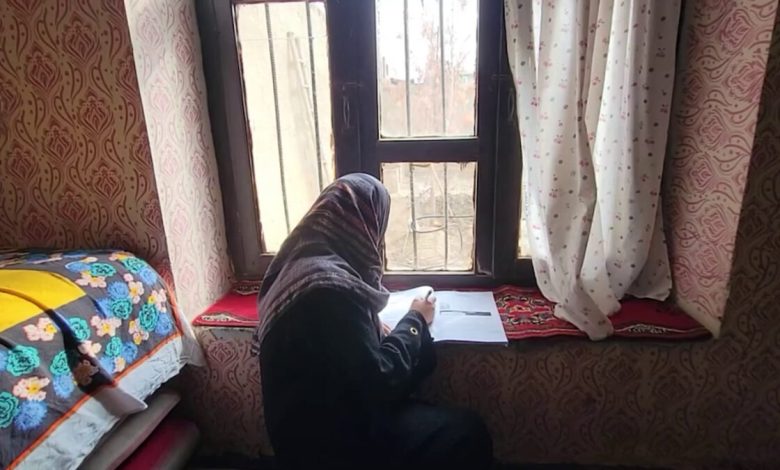
Canada’s Immigration, Refugees and Citizenship Office has rejected the study visa application of an Afghan girl who held a full scholarship from a private school in British Columbia. This decision was made despite all her education, accommodation, food, and personal expenses being covered.
The visa rejection letter cited insufficient financial resources and doubts about the student’s intention to return to her country after completing her studies. The 18-year-old girl, who is kept anonymous due to security concerns, is from Kabul. After the Taliban’s official ban on education for girls beyond the sixth grade, she has been secretly attending online classes.
Human rights organizations and officials involved in scholarship programs say this is not the first time Afghan girls’ visa applications, even those with full scholarships, have been unfairly denied. Fariba Rezaei, the executive director of the “Tomorrow’s Women Leaders” organization, stated that out of three Afghan girls accepted by the organization, two had their visa applications rejected, and the third’s status remains uncertain.
Immigration lawyers also suspect that the application review process was not properly conducted. Gabriel Thibault pointed out that Canada’s immigration office uses an automated software called “Chinook” to assess applications, which may have overlooked the applicants’ scholarship information.
Although the office has stated that artificial intelligence tools are used only for preliminary tasks and not in final decision-making, reactions indicate flaws in the administrative process and systemic discrimination against Afghan students.
In 2022, a special committee of the Canadian Parliament recommended issuing study visas to Afghans with full scholarships without assessing their intentions to return to Afghanistan, but this recommendation has not yet been fully implemented.
This worrying situation presents new challenges for Afghan girls seeking educational opportunities abroad and highlights the ongoing restrictions and difficulties they face in accessing their educational rights.